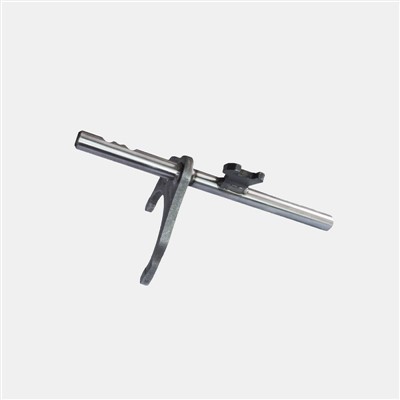
As a supplier of shaft parts, I’ve witnessed firsthand the importance of selecting the right materials for high – strength shaft parts. Shafts are a critical component in a wide range of mechanical systems, from automotive engines to industrial machinery. High – strength shafts are required to withstand heavy loads, high speeds, and various forms of stress without failure. So, what are the common materials used for these high – strength shaft parts? Let’s take a closer look. Shaft Parts
Alloy Steels
Alloy steels are among the most commonly used materials for high – strength shaft parts. These steels are made by adding various alloying elements to carbon steel, such as chromium, nickel, molybdenum, and vanadium. The addition of these elements enhances the mechanical properties of the steel, including strength, hardness, and toughness.
One of the most popular alloy steels for shaft applications is 4140 steel. This steel contains chromium and molybdenum, which provide excellent hardenability and high strength. 4140 steel can be heat – treated to achieve a wide range of hardness levels, making it suitable for a variety of applications. It is often used in automotive transmissions, industrial gears, and hydraulic cylinders.
Another well – known alloy steel is 4340 steel. This steel has a higher nickel content compared to 4140, which further improves its toughness and fatigue resistance. 4340 steel is commonly used in high – performance applications, such as aircraft landing gear and high – stress shafts in racing engines.
The advantage of alloy steels is their versatility. They can be machined, heat – treated, and forged to meet the specific requirements of different shaft designs. However, they are also relatively expensive compared to some other materials, and their corrosion resistance may not be sufficient in certain environments.
Stainless Steels
Stainless steels are also a popular choice for high – strength shaft parts, especially in applications where corrosion resistance is a concern. These steels contain chromium, which forms a passive oxide layer on the surface of the steel, protecting it from rust and corrosion.
Austenitic stainless steels, such as 304 and 316, are commonly used for shafts in food processing, marine, and chemical industries. These steels have good corrosion resistance and moderate strength. They are also non – magnetic, which can be an advantage in some applications.
Martensitic stainless steels, like 410 and 420, offer higher strength and hardness compared to austenitic stainless steels. They can be heat – treated to achieve even greater strength. Martensitic stainless steels are often used in applications where high strength and corrosion resistance are both required, such as in medical instruments and cutlery.
The main benefit of stainless steels is their excellent corrosion resistance. However, they are generally more difficult to machine than alloy steels, and their cost can be relatively high.
Carbon Steels
Carbon steels are the most basic type of steel and are widely used in shaft manufacturing. They are made primarily of iron and carbon, with small amounts of other elements. Carbon steels can be classified into low – carbon, medium – carbon, and high – carbon steels based on their carbon content.
Low – carbon steels (less than 0.3% carbon) are relatively soft and ductile. They are easy to machine and weld, but their strength is relatively low. Low – carbon steels are often used in applications where strength requirements are not extremely high, such as in some consumer products.
Medium – carbon steels (0.3% – 0.6% carbon) offer a good balance between strength and ductility. They can be heat – treated to increase their strength, making them suitable for a wide range of shaft applications. Medium – carbon steels are commonly used in automotive crankshafts and industrial shafts.
High – carbon steels (more than 0.6% carbon) are very hard and strong but have lower ductility. They are often used in applications where high wear resistance is required, such as in cutting tools and some high – stress shafts.
The advantage of carbon steels is their relatively low cost and good machinability. However, they are more prone to corrosion compared to alloy and stainless steels.
Titanium Alloys
Titanium alloys are known for their high strength – to – weight ratio, excellent corrosion resistance, and good fatigue properties. These alloys are often used in aerospace, medical, and high – performance automotive applications.
Ti – 6Al – 4V is one of the most widely used titanium alloys. It contains 6% aluminum and 4% vanadium, which provides a good balance of strength, ductility, and corrosion resistance. Ti – 6Al – 4V is commonly used in aircraft engine shafts, aerospace structural components, and medical implants.
The main advantage of titanium alloys is their high strength – to – weight ratio, which allows for the design of lightweight yet strong shafts. However, titanium alloys are very expensive and difficult to machine, which limits their use in some applications.
Composite Materials
Composite materials are becoming increasingly popular in shaft manufacturing. These materials are made by combining two or more different materials to achieve specific properties. For example, carbon fiber composites are often used in high – performance shafts.
Carbon fiber composites offer high strength, low weight, and excellent fatigue resistance. They can be tailored to have specific mechanical properties by adjusting the fiber orientation and resin matrix. Carbon fiber composite shafts are commonly used in racing bicycles, high – end sports equipment, and some aerospace applications.
The advantage of composite materials is their ability to be designed with specific properties, such as high stiffness and low weight. However, they are relatively expensive and require specialized manufacturing processes.
Considerations for Material Selection
When selecting materials for high – strength shaft parts, several factors need to be considered.
Strength Requirements: The first and most important factor is the strength required for the shaft. Different applications have different strength requirements, and the material must be able to withstand the expected loads and stresses.
Corrosion Resistance: If the shaft will be exposed to corrosive environments, such as in marine or chemical applications, corrosion resistance is a critical factor. Stainless steels and titanium alloys are good choices in such cases.
Machinability: The ease of machining the material is also important. Some materials, such as carbon steels, are relatively easy to machine, while others, like titanium alloys, are more difficult.
Cost: Cost is always a consideration in material selection. Alloy steels and carbon steels are generally more cost – effective compared to titanium alloys and composite materials.
Weight: In applications where weight is a concern, such as in aerospace and automotive industries, materials with a high strength – to – weight ratio, like titanium alloys and composite materials, are preferred.
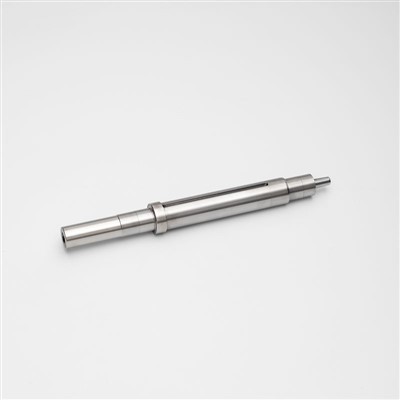
As a shaft parts supplier, I understand the importance of selecting the right material for each application. We offer a wide range of shaft parts made from different materials to meet the diverse needs of our customers. Whether you need a high – strength shaft for an automotive engine, an industrial machine, or a high – performance sports equipment, we can provide the right solution.
Precision Disc Parts Machining If you are in the market for high – strength shaft parts, I encourage you to contact us for a consultation. Our team of experts can help you select the most suitable material for your application and provide high – quality shaft parts at competitive prices. Let’s work together to find the best solution for your needs.
References
- ASM Handbook, Volume 1: Properties and Selection: Irons, Steels, and High – Performance Alloys.
- Metals Handbook Desk Edition, Third Edition.
- Shigley’s Mechanical Engineering Design, Eighth Edition.
Taizhou Liuhuan Machinery Co., Ltd.
As one of the most professional shaft parts manufacturers and suppliers in China, we’re featured by quality products and good service. Please rest assured to buy customized shaft parts made in China here from our factory. For quotation, contact us now.
Address: Xinyuan Industrial Zone, Damaiyu Street, Yuhuan City, Zhejiang Province,China
E-mail: tzlhmachining@gmail.com
WebSite: https://www.tzlhmachining.com/
