Hey there! I’m a supplier of organic herbal extracts. In the market these days, the demand for organic herbal extracts is sky – high. Everyone’s into natural health solutions, and that’s awesome. But here’s the deal: there’s a ton of fake stuff out there. As a supplier who really values the quality and authenticity of our products, I thought I’d share some tips on how to identify fake organic herbal extracts. Organic Herbal Extract
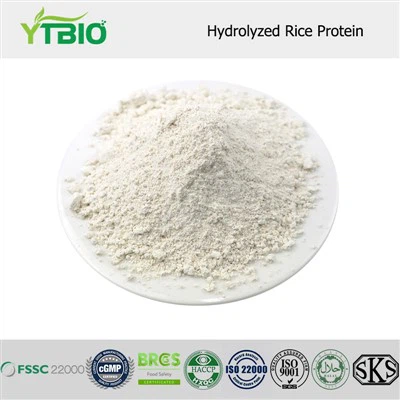
First off, let’s talk about the label. The label is like the face of the product. A genuine organic herbal extract label should be pretty clear. It’ll have the name of the herb, the part of the plant that was used (like the leaves, roots, or flowers), and the extraction method. For example, if it says “organic echinacea extract,” you should also see if it’s from the root or the aerial parts. And the extraction method matters too. Some common methods are water extraction, alcohol extraction, or supercritical fluid extraction.
If the label just says “herbal extract” without specifying the herb or the part of the plant, that’s a red flag. It might be a sign that the manufacturer is trying to hide something. Also, look for organic certification. There are well – known certifying bodies like USDA Organic in the United States or EU Organic in Europe. If the product has these certifications, it means it’s gone through proper checks to meet the organic standards. But be careful, there are fake certifications out there too. Some companies might print a logo that looks like a certification mark but is actually a counterfeit. Do a bit of research on the certifying body and see if you can verify the product’s certification on their official website.
Another thing to consider is the price. Organic herbal extracts are generally more expensive to produce. The herbs need to be grown without the use of synthetic pesticides, fertilizers, or genetically modified organisms (GMOs). The extraction process also has to meet certain organic criteria. So, if you see an organic herbal extract at a price that’s way too good to be true, it probably is. For instance, a high – quality organic ginseng extract usually costs a fair amount because ginseng takes a long time to grow and is a delicate plant to cultivate organically. If you find one that’s selling for a fraction of the normal price, it’s likely fake.
The color and smell of the extract can also give you clues. Real organic herbal extracts often have a natural color and smell that’s characteristic of the herb. For example, a chamomile extract should have a pale yellow color and a sweet, floral smell. If the color is too bright or the smell is off, like it has a chemical – like odor, it might not be genuine. Sometimes, fake extracts are made by adding artificial colors or flavors to a cheap base.
Texture is another aspect. A good organic herbal extract should have a consistent texture. If it’s a liquid extract, it shouldn’t be too thick or too thin. There shouldn’t be any visible particles or clumps that don’t dissolve easily. If it’s a powder extract, it should be fine and free – flowing. Any lumps or an inhomogeneous texture could indicate that the product is not pure or has been tampered with.
Let’s move on to the source of the herbs. Reputable suppliers will be transparent about where their herbs come from. They’ll tell you about the farms, the growing conditions, and the harvesting methods. Organic herbs are usually grown in small, sustainable farms where the farmers follow strict organic practices. If a supplier is reluctant to share information about the source of their herbs, it’s a sign that something might be fishy.
I remember one time, a customer came to me and was really confused because they had bought an herb extract that was supposed to be from a specific region known for its high – quality herbs. But when they checked with other local farmers and did a bit of research, they found out that the area couldn’t have possibly produced that much of the herb in the given time frame. It turned out to be a fake. So, always ask about the origin of the herbs.
Batch testing is also crucial. A reliable supplier will do regular batch testing on their products. This includes tests for purity, potency, and the presence of contaminants like heavy metals, pesticides, or microbial impurities. They should be able to provide you with test results if you ask. If a supplier can’t or won’t show you the test results, it means they might not be confident in the quality of their product.
Now, let’s talk about the packaging. While it might seem like a small thing, the packaging can actually tell you a lot. Organic herbal extracts are sensitive to light, heat, and air. So, they should be packaged in containers that protect them from these elements. Dark – colored glass bottles are a great option as they block out light. And the bottles should have a good seal to prevent air from getting in. If the extract comes in a cheap plastic container or the lid doesn’t seem to fit properly, it might not be stored in the best conditions, which could lead to a loss of quality or, in some cases, could be a sign of a fake product.
One more important thing is the taste. Of course, this isn’t always practical, but if you have the opportunity to sample a small amount of the extract, it can be revealing. Real herbal extracts have a distinct taste that’s related to the herb. For example, a mint extract should have a refreshing, minty taste. If the taste is too sweet, too bitter in an unnatural way, or just doesn’t match what you’d expect from the herb, it’s something to be cautious about.
As a supplier of organic herbal extracts, I want to make it clear that there are many honest and quality – driven businesses in the industry. But it’s up to consumers and other buyers to be vigilant. By using these tips, you can make more informed decisions when it comes to purchasing organic herbal extracts.
If you’re in the market for high – quality organic herbal extracts, don’t hesitate to reach out to have a chat about your needs. Whether you’re a retailer looking to stock up on popular products or a manufacturer in need of a reliable supplier, we’re here to help. We stand by the authenticity and quality of our products, and we’d love to discuss how we can work together.
Natural Pigments References
- "Organic Crop Production Handbook" by various authors.
- Journals on herbal medicine and organic agriculture.
Shaanxi Yuantai Biological Technology Co., Ltd.
Shaanxi Yuantai Biological Technology Co., Ltd. is one of the most professional organic herbal extract manufacturers and suppliers in China, specialized in providing natural plant extracts with competitive price. We warmly welcome you to buy or wholesale bulk organic herbal extract for sale here from our factory.
Address: NO.1 Plant, China Fnzyme Industrial Park, Economic Development Zone, Weinan City, Shaanxi, China
E-mail: sales@sxytbio.com
WebSite: https://www.sxytbio.com/
