If you’ve ever ordered large, bulk shipments of goods—whether it’s raw parts for manufacturing, pallets of retail inventory, or even heavy machinery components—you’ve definitely seen stillages. Those sturdy, stackable frames that keep your products organized, safe, and easy to move around warehouses, loading docks, or job sites? They’re stillages, and as someone who’s supplied these bad boys for years, I get asked one question way more than any other: “What are stillages even made of?” Stillages

I don’t blame you for asking. The material your stillage is made of directly impacts its weight capacity, how long it lasts, how much it costs, and whether it’s even fit for your specific use case. Skip the wrong material, and you’re looking at bent frames, damaged stock, extra labor, and way more hassle than you signed up for. Let’s break this down like we’re chatting over a coffee (well, a warehouse break room vending machine coffee, because let’s be real—we don’t drink fancy lattes when we’re talking stillages), no boring jargon, just the real deal.
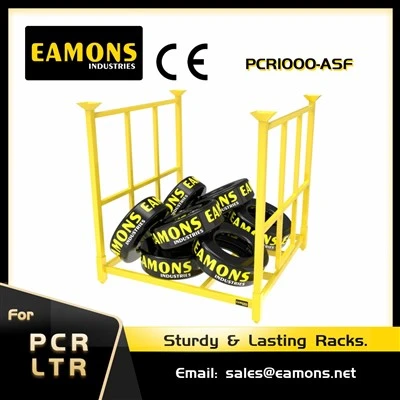
First up, and by far the most common material: steel. Let’s get this out of the way first because steel is the backbone of 70% of the stillages I sell. Why? Steel is tough. Like, really tough. We’re talking about bending, dropping, stacking 10 of these things high, and hauling them on rough forklifts day in and day out—steel doesn’t flinch. Most people don’t realize not all steel is the same, though. The good stuff we use is usually mild carbon steel (think low-carbon, high-strength, not some random scrap metal from a backyard shed) that gets a protective finish. We’re not just slapping on a can of spray paint here. The standard is either hot-dip galvanizing or powder coating. Hot-dip galvanizing is when you dip the whole steel frame into molten zinc—you can find these stillages outside in the rain, snow, or even near saltwater (like docks or coastal warehouses) and they won’t rust for years. Powder coating is more of a smooth, durable finish that looks cleaner, works great indoors, and stands up to light spills and scratches.
Now, what are steel stillages actually built with? Most are made from either mild steel tubes (for the frame edges and supports) or solid steel bars for heavier-duty parts. We don’t use thin, flimsy metal here—our standard steel stillages use 1.5mm to 3mm thick steel, depending on if it’s for light parts or 1,000kg+ loads. The downside of steel is it’s heavy, right? A standard steel stillage is 30-50kg empty, so if you’re moving it by hand alone, that’s a workout. It’s also more prone to scratching or damaging delicate products if you’re not careful, because it’s rigid and unforgiving. But for heavy, bulky stuff that takes a beating? Steel is non-negotiable.
Next, aluminum stillages. These are the cool kids of the stillage world—lightweight, sturdy, and perfect when you need something that’s easy to move manually. Aluminum is about a third the weight of steel, but still strong enough for most industrial use cases. The catch? Aluminum is more expensive than steel, and it’s not as heavy-duty. You won’t stack aluminum stillages 10 high like steel ones—max is usually 5 or 6, and their weight capacity tops out around 800kg for standard models. That said, they’re way easier to handle for small teams, or for uses where you need to move them around a lot by hand instead of with a forklift. We sell a lot of aluminum stillages for automotive parts suppliers and construction sites where space is tight and teams are moving stuff constantly. Also, aluminum doesn’t corrode as easily as steel, though it’s not as good for saltwater environments as galvanized steel. Good for general indoor use, though.
Then there’s the newer player on the block: plastic stillages. Wait, plastic? I know, most people think plastic is flimsy stuff you get from a fast food toy, but industrial-grade plastic is a whole different beast. These are usually made from high-density polyethylene (HDPE) or polypropylene (PP), mixed with additives to make them UV-resistant, impact-resistant, and durable. Plastic stillages are super light—half the weight of aluminum sometimes—so manual handling is a breeze. They’re also non-conductive, so if you’re working with electrical parts or sensitive electronics, you don’t have to worry about static or shocks damaging your stock. They’re also easy to clean, which is a huge win for food and pharmaceutical companies that need to keep their storage areas sanitized. The downsides? They can’t hold nearly as much weight as steel or aluminum—max is usually around 300kg for standard models, and they crack if you drop them from height or expose them to extreme cold (they get brittle when it’s below freezing, which is something to keep in mind for outdoor winter use). Also, they scratch and scuff way easier than metal, so if you’re moving sharp parts, plastic might not hold up. We only recommend plastic stillages for light, delicate goods or for temporary use, not for heavy-duty, constant industrial use.
Wait, there’s one more material I should mention: wood. Yeah, wood stillages are still a thing, though they’re way less common than they used to be. Back in the day, everyone used wooden crates and stillages, but they have so many issues. Wood is heavy, it warps and rots if it gets wet, it can splinter and damage products, and it’s not stackable nearly as well as metal. The only time I really sell wooden stillages now is for niche cases—like if someone needs a custom-sized stillage for very specific, irregularly shaped goods, or for temporary, short-term use. Most industries have moved away from wood because of the durability and safety issues, though.
Let me also talk about why the material choice matters for you specifically, because this isn’t just a material science lesson. Let’s say you run a small manufacturing shop that makes small auto parts—stainless steel fasteners, sensors, etc. You need stillages that are easy to move around by a single worker, don’t scratch the parts, and are affordable. Aluminum or plastic would be perfect here. If you’re a big warehouse storing 50kg bags of raw construction material, you need steel stillages that can stack high without buckling, no question. If you’re working with food or medicine, plastic is the way to go for sanitation, though some of our galvanized steel models work too if they’re properly coated.
I see a lot of suppliers cutting corners on materials, too—using thin, low-quality steel that bends after a few uses, or cheap plastic that cracks in a month. That’s why we only source materials from reputable mills, no scrap metal or cheap plastic off Alibaba that will let you down. When you buy stillages, you get what you pay for—skimp on the material, and you’ll end up replacing them twice as often, wasting more money in the long run.
At the end of the day, there’s no “best” material for stillages—only the right one for your needs. But if you’re not sure which way to go, that’s what we’re here for. Whether you need steel stillages for heavy industrial use, aluminum for manual handling, plastic for sensitive goods, or even a custom wood option, we can hook you up. We don’t do one-size-fits-all here, because we know every customer’s needs are different.
If you’re tired of stillages that bend, rust, or damage your stock, reach out anytime. We can walk through your use case, size, weight needs, and budget, and help you find the perfect stillages without the guesswork. No salesy nonsense, just straight talk from someone who’s been in the warehouse game for years.
Storage Racks References
- Industrial Stillage Material Performance Standards, Material Handling Industry Association, 2022
- Galvanizing Basics for Industrial Equipment, American Galvanizers Association, 2023
- Properties of High-Density Polyethylene for Industrial Containers, Society of Plastics Engineers, 2021
- Aluminum Stillage Load Capacity Guidelines, Aluminum Association, 2022
- Warehouse Operational Efficiency: Stillage Material Selection, Logistics Management Magazine, 2023
Qingdao Eamons Industries Co., Ltd.
As one of the most professional stillages manufacturers and suppliers in China, we’re featured by quality products and good service. Welcome to buy bulk customized stillages made in China here from our factory. If you have any enquiry about cooperation, please feel free to email us.
Address: Room 1720, Poly Center Mansion, No. 1068 Jinshui Road, Licang District, Qingdao City, Shandong Province, China
E-mail: Sales@eamons.net
WebSite: https://www.eamons.net/
