If you’ve ever stared at a broken car part, scrolling through listings trying to figure out what to buy, you know the headache OEM vs. aftermarket auto parts causes. As someone who’s spent the last 12 years sourcing and supplying parts for everything from compact sedans to heavy-duty pickup trucks, I’ve talked to hundreds of techs, small garage owners, and even casual DIYers who mix these two up all the time. Last month alone, a young DIYer came to us panicking because he’d bought an “OEM replacement” for his 2018 sedan’s tail light, only to find it didn’t line up with the mounting holes—turns out he’d grabbed an aftermarket part that was incorrectly labeled. That moment made me realize how many people still don’t grasp the real, tangible differences beyond the surface-level branding. Auto Parts
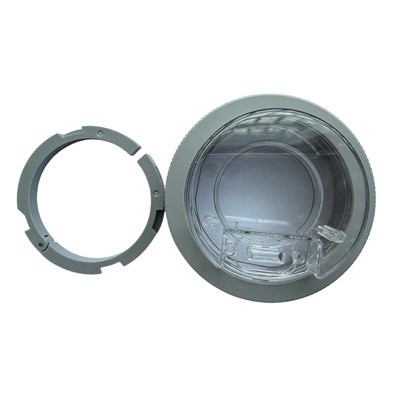
Let’s start with what OEM actually stands for, because that’s where the confusion often begins. OEM is short for Original Equipment Manufacturer. In auto parts terms, that means the parts are made by the same company that produced the parts used when your car rolled off the factory line. For example, if you drive a Toyota Camry, the brake pads that came on it when it left the Kentucky assembly plant were almost certainly made by a supplier that Toyota contracts with, like Akebono or Denso. Those are OEM parts. They’re built to exact, identical specifications as the part that came with your car—down to the material grade, the thickness of the metal, even the tolerance of the bolts.
I’ve watched OEM parts come through our warehouse for years, and one thing stands out: their consistency. A set of OEM engine gaskets for a Ford F-150 won’t vary at all between batches. Every gasket will have the exact same cut, the same sealant applied in the same thickness, because the contract between the parts maker and the automaker is super specific. The automaker doesn’t just want a part that works—they want a part that meets crash safety standards, emissions regulations, and longevity targets that are tested over millions of miles. For example, when we supply OEM alternators for a Honda Civic, the manufacturer guarantees they’ll last at least 100,000 miles, because that’s the figure Honda set during the original vehicle testing.
Now, aftermarket parts. These are parts made by companies that weren’t contracted by the original automaker. They’re designed to replace or upgrade OEM parts, and that’s where things get messy. Some aftermarket parts are made by the same factories that produce OEM parts, they just sell those parts separately under their own brand name. Others are made by smaller, independent facilities that set their own specs. Here’s where the value comes in for many people: aftermarket parts can cost 20% to 50% less than comparable OEM parts. But that cost gap usually comes with tradeoffs, and not all of them are bad. For example, an aftermarket brake pad made by a reputable company like Hawk might offer better stopping power than the OEM pads for performance driving, even if it’s a different material. But a no-name aftermarket brake pad from a factory with minimal quality control? That can be thinner, made of lower-grade metal, and wear out in half the time.
The most common misconception I hear is that aftermarket parts are always inferior. That’s not true, and it’s a stereotype that’s been around since I started in this business. I once worked with a mechanic in Detroit who swore by aftermarket control arms for full-size trucks—he said they held up just as long as OEM, but cost him $150 less per set, which he passed on to customers. But he only buys from three specific aftermarket brands, and he tests every incoming shipment himself. The problem is that the aftermarket is a huge, unregulated space in many cases. In the U.S., there are basic federal safety standards for auto parts, but they’re often minimal, and they don’t require aftermarket parts to meet the exact same tolerances as OEM parts. For example, an aftermarket windshield might fit the frame okay and pass a basic impact test, but it might be slightly thinner than the OEM windshield, which could affect how it holds up in a minor fender bender.
Let’s talk about quality testing, because that’s where OEM and aftermarket parts differ the most. OEM parts go through rigorous testing that’s overseen by the automaker. Before a part is approved, it’s tested for temperature extremes—think -40°F in northern Minnesota or 120°F in Arizona—to make sure it doesn’t crack or warp. It’s tested for corrosion, because a brake line that rusts out in 3 years isn’t acceptable for a factory car. It’s also tested for compatibility with the rest of the vehicle’s systems. For example, an OEM oxygen sensor for a Chevrolet Silverado is calibrated to work with the Silverado’s engine computer, so it will report accurate readings that keep the engine running efficiently and meet emissions standards. If you put an aftermarket oxygen sensor that’s calibrated for a different engine, it can cause the check engine light to come on, lower fuel efficiency, or even damage the catalytic converter over time.
Aftermarket parts, especially from budget brands, rarely go through that level of testing. A lot of small aftermarket factories will reverse-engineer an OEM part—they take a sample, scan it, make a mold, and produce a similar part. But they might cut corners on materials to save money. For example, an OEM timing belt is made of a specific rubber compound that’s designed to last 100,000 miles. A budget aftermarket timing belt might use a cheaper rubber that cracks after 60,000 miles, which can cause serious engine damage if it breaks while the car is driving. I’ve seen this happen three times in the last year alone: a timing belt snapped on a 2016 Honda Accord because the owner bought a cheap aftermarket part, costing him $4,000 in engine repairs. That’s not the part’s fault, it’s the fault of buying the wrong aftermarket part.
Warranty is another big difference. OEM parts almost always come with a warranty from the automaker. If an OEM air conditioning compressor fails within 12 months of installation, you can take it back to the dealer and get a replacement, no questions asked. The warranty is backed by the automaker, so you don’t have to deal with the parts manufacturer directly. Aftermarket parts’ warranties vary wildly. Some reputable aftermarket brands offer 2-year warranties, which is comparable to OEM. But a budget aftermarket part might only have a 30-day warranty, and if you try to use it, you might have to fight with the seller to get a replacement. We see this all the time: a customer buys a cheap aftermarket radiator for their car, it leaks after a week, and the seller says “you installed it wrong” instead of honoring the warranty.
Fit is where many people notice the difference immediately. OEM parts are made to exact specifications, so they fit perfectly. A door handle for a 2020 Mazda CX-5 will line up exactly with the mounting holes, screw in without forcing, and match the paint code if you buy a painted OEM part. Aftermarket parts, especially for body panels, often have fit issues. The gaps between an aftermarket hood and the fenders might be uneven, or the door might not close properly because the panel is slightly warped from manufacturing. That’s not a universal rule—some high-end aftermarket body panels are precision-made for custom builds—but for standard replacement parts, fit is a common pain point.
Now, when should you choose OEM, and when should you choose aftermarket? That’s the question every customer asks, and the answer depends on your situation. If your car is still under warranty, choosing OEM parts is usually the safest bet. Most automakers will void your warranty if you use non-OEM parts that cause damage—for example, if an aftermarket water pump fails and cracks the engine block, the dealer might refuse to cover the engine repair under warranty. If your car is a daily driver that you plan to keep for a long time, OEM parts might be worth the extra cost for reliability. If you have a classic car that you’re restoring, OEM parts are often the only way to maintain originality, which is important for value.
On the other hand, if your car is old, worth very little, or you’re on a tight budget, a reputable aftermarket part can be a great choice. For example, if your 2008 Honda Civic needs a new bumper and you only have $150 to spend, a high-quality aftermarket bumper that fits well and has a 1-year warranty is a better option than a cheap OEM part from a junkyard that might have hidden damage. If you’re modifying your car for performance, aftermarket parts are often the way to go—most performance parts, like cold air intakes or sport suspension, are designed by aftermarket companies to outperform OEM parts. I work with a lot of car enthusiasts who buy aftermarket brake calipers for their track cars because they’re lighter and offer better heat resistance than OEM calipers.
As a parts supplier, I’ve seen customers make the wrong choice because they don’t understand the differences. Last quarter, a customer came to us looking for a battery for his 2019 Nissan Altima. He initially wanted the OEM battery, which costs $120, but he was worried about the cost. We showed him a reputable aftermarket battery that’s made by the same factory that makes Nissan’s OEM batteries, tested to the same specifications, and costs $85. He bought the aftermarket battery, and it’s been working perfectly for the last three months. But another customer bought a $50 battery from a no-name brand online, and it died after two weeks. That’s the difference: not all aftermarket parts are bad, but you have to do your research.
Let’s also clear up another common point: OEM parts aren’t always made by the automaker. The name is about the purpose, not the manufacturer. For example, Toyota doesn’t manufacture every part for their cars—they contract with dozens of smaller companies, like Denso for electronics and Akebono for brakes. Those companies make parts for multiple automakers, but when they sell those parts under the automaker’s brand name, they’re considered OEM. When they sell those same parts under their own brand name, they’re aftermarket. So some aftermarket parts are actually made in the same factories as OEM parts, which is a win for customers who can find those brands.
Regulation is another important piece. In the U.S., the Magnuson-Moss Warranty Act prevents automakers from voiding your car warranty just because you use aftermarket parts, as long as those parts are compatible and installed correctly. But that doesn’t mean automakers make it easy—they still try to push OEM parts, and some dealers charge exorbitant prices for OEM parts. That’s where a trusted parts supplier like us comes in: we source both OEM and reputable aftermarket parts, so you can choose what works for your budget and needs, and we test every part before it leaves our warehouse to make sure it meets basic quality standards.
I’ve been in this business long enough to know that there’s no one “better” option between OEM and aftermarket. It’s about matching the part to your car, your needs, and your budget. If you’re replacing a critical part like a brake line or a transmission component, spending a little extra for OEM or a reputable aftermarket part is worth it for safety. If you’re replacing a non-critical part like an interior door handle or a floor mat, a well-made aftermarket part can save you money without sacrificing quality.
If you’re not sure which part is right for your vehicle, our team of experts is here to help. We work with techs, DIYers, and fleet managers every day to find the best parts for their needs, whether that’s OEM for reliability or aftermarket for value. We don’t push one type of part over another—we just give you the facts, so you can make an informed choice that works for you. Whether you’re replacing a part on a daily driver, a classic car, or a work truck, we can help you find the right part at a fair price.
Let’s put this to rest once and for all: OEM parts are built to exact factory specifications, tested to automaker standards, and ideal for new cars, warranty-covered vehicles, and long-term reliability. Aftermarket parts are made by independent manufacturers, vary widely in quality, and can be a great, cost-effective option if you choose a reputable brand and understand their limitations. The next time you need an auto part, take a minute to check who makes it, what their testing standards are, and whether it makes sense for your car. If you have questions, don’t hesitate to reach out to our team—we’re happy to walk you through your options, no pressure, no hard sell. The goal is to get you a part that works, at a price you can afford, and keeps you on the road safely.
Automotive Injection Molded Parts References
Automotive Parts Association. (2022). OEM vs. Aftermarket Parts: A Guide for Consumers.
National Highway Traffic Safety Administration. (2021). Federal Safety Standards for Replacement Auto Parts.
Consumer Reports. (2023). Auto Parts Buying Guide: OEM vs. Aftermarket.
Ningbo Xinyu Automotive Electronics Co., Ltd.
Address: Zhujiadu Village, Sanqizhen, Yuyao City, Zhejiang Province
E-mail: xyautoelec@163.com
WebSite: https://www.xyautoelec.com/
