Let’s be real—we’ve all been there. Winter hits, the heat kicks on indoors, and suddenly your lips feel like dry, cracked mud. No amount of peppermint lip gloss or fruity balm from the drugstore seems to stick, right? I run a lip balm base supply company, and let me tell you—this question comes up every single week: Can lip balm base actually prevent chapped lips? The short answer is yes—but it’s not the same as grabbing a random tub of scented balm from the checkout aisle. Today, I’m breaking this down like I do for every new customer who reaches out, no jargon, just the real science behind what makes a lip balm base work (or not work) to keep your lips from splitting. Lip Balm Base

First, let’s talk about why lips chap in the first place, because if you don’t get the root of the problem, you’re just slapping on a band-aid that won’t last. Unlike the skin on your arms or face, your lips don’t have oil glands—none, zilch. They rely entirely on the thin, natural layer of saliva and sebum (the tiny oils your skin makes) to keep them hydrated. But things like cold air, indoor heating, hot drinks, even licking your lips (stupidly, I know—saliva evaporates and takes what little moisture is left with it) strip that layer away fast. Once that protective barrier is gone, the delicate skin on your lips dries out, cracks, and turns into that annoying, painful mess we all hate.
Now, what’s a lip balm base? For anyone who doesn’t know (I get it, not everyone’s a DIY formulator), a lip balm base is the core ingredient blend—think the base waxes, oils, and emollients that make up 90% of a lip balm. It’s not the fancy add-ins like vanilla extract or glitter; that’s the stuff you mix in after you’ve got your base right. The job of a good base is twofold: first, it locks moisture into your lips, and second, it creates a physical barrier between your lips and the harsh, drying environment outside. That’s how it prevents chapping. Sounds simple, but so many people mess up the base and wonder why their balm fades in an hour.
Let’s get into the actual science of how that works, no fancy textbook terms I can’t pronounce. A quality lip balm base uses what’s called occlusive and emollient ingredients. Occlusives are the stuff that forms that barrier—think beeswax, carnauba wax, or candelilla wax (great for vegan folks). They melt slightly when they hit the warmth of your lips, then harden a little as they cool, creating a thin, breathable layer that traps the moisture already in your lips. Emollients, on the other hand, are the skin-softening oils that fill in the tiny gaps between dry lip skin cells, making them smooth instead of flaky. Things like jojoba oil, shea butter, and coconut oil are common emollients in good bases. Here’s the kicker: if your base doesn’t have the right balance of these two, it won’t work. Too much wax and it feels like you’re wearing a candle on your lips, too greasy and it melts off by lunchtime.
Wait, but what about all the “long-lasting” balms that claim to fix chapped lips? I’ve tested a ton of them, and most of the cheap ones skip the good occlusives or use ingredients that evaporate fast. For example, some drugstore balms use a lot of mineral oil, which is an emollient, but not a great occlusive. It might feel nice at first, but it doesn’t form a strong enough barrier, so your lips dry out again within an hour. A good lip balm base, though, is formulated so those occlusives and emollients work together. I once had a customer make a balm with a base that was 80% beeswax and 20% coconut oil—she complained it was too waxy and her lips still chap. We adjusted it to 35% beeswax, 45% shea butter, and 20% jojoba oil, and she texted me two days later saying her lips hadn’t felt normal in months. That’s the difference a proper base makes.
But hold on—can lip balm base actually prevent chapping, or just treat it? Great question. Prevention is all about staying ahead of that drying cycle. Let’s say you have a big day at work, or you’re going on a hike in cold wind. If you apply a properly formulated lip balm base (the finished product, obviously) before you head out, you’re putting that barrier on before the dry air has a chance to strip your lips. A lot of people wait until their lips are already chapped to put balm on, which is like putting a raincoat on after you’re already soaked— it helps, but it’s not the best prevention. A good base can also replenish lost moisture if you catch it early. I’ve seen people with super dry lips (like those who live in high-altitude areas, or people who work outdoors) use a base with added humectants—wait, did I forget humectants? Those are ingredients that draw moisture from the air into your lips, like hyaluronic acid or glycerin. Adding a small amount to your base takes it from just a barrier to a hydrator.
Of course, not all lip balm bases are created equal. That’s where a lot of DIY makers or small brands go wrong. They buy cheap bases from bulk suppliers that cut corners—like using paraffin wax instead of beeswax or carnauba, which is cheaper but doesn’t hold up as well. Or they use refined oils that have been stripped of their natural vitamins and emollient properties. I’ve had a few brands come to me after their previous base made their customers’ lips more chapped, and when we tested it, it was full of synthetic additives that actually irritated the thin lip skin, making dryness worse. It’s not that the idea of a base is bad—it’s that the wrong base can do more harm than good.
Let’s talk about some common myths I hear all the time. Myth #1: “Lip balm base just coats your lips, it doesn’t actually help.” No—like I said, that coating is the only thing standing between your lips and dry air. If it’s a good coating, it stays. Myth #2: “You need to reapply every 10 minutes to prevent chapping.” Not true. A properly formulated base will last 3-4 hours, so you don’t have to slather it on constantly. Overapplying can even strip the natural oils if you’re using a greasy base that melts too fast. Myth #3: “Natural bases are the only ones that work.” False—natural is great, but some synthetic occlusives work really well too, like dimethicone, as long as they’re high-quality. It’s all about the balance, not whether it’s “natural” or not.
Now, let’s get to the part that matters for anyone making their own balm or running a small brand: how do you pick a lip balm base that actually prevents chapping? First, check the ingredients list. It should have a mix of occlusives (waxes like beeswax, candelilla, carnauba) and emollients (butters like shea, cocoa, mango; oils like jojoba, argan, sunflower). If it only has wax and mineral oil, skip it. Second, test it. I always tell customers to order a small trial batch first, not a 50-gallon drum. Smear a little on your hand (since hand skin is similar to lip skin’s sensitivity) and see how it feels. Does it leave a greasy film that’s gone in 10 minutes? Or does it stay, softening your skin without feeling heavy? Third, make sure it’s formulated for the end use. If you’re making a balm for winter, you want a base with a higher wax content to stand up to cold wind. If you’re making one for summer, you want more oil so it doesn’t get too waxy when it’s hot.
I can’t end this without sharing a quick personal story, just to make this real. A few months ago, I was at a trade show, and a lady came up to my booth with lips that were so chapped, she could barely smile. She told me she’d tried 12 different lip balms that winter, none worked, and her doctor even prescribed a steroid ointment that helped but made her lips thin. I gave her a sample of our standard lip balm base, plus a tiny vial of jojoba oil to mix in, and told her to apply it twice a day—once in the morning, once before bed. A week later, she emailed me a photo of her lips, all smooth, and said she hadn’t felt that comfortable in years. She even started making her own balms for her friends, and now she’s a repeat customer. That’s why I do this—seeing how a good base actually fixes a problem, not just covers it up.
At the end of the day, yes, lip balm base can absolutely prevent chapped lips—but only if it’s the right kind. It’s not magic, it’s science: balancing occlusives to protect, emollients to soften, and if you want, a little humectant to add extra moisture. Cheap bases that skip the good ingredients? They don’t work, and they’ll leave your lips drier than before.
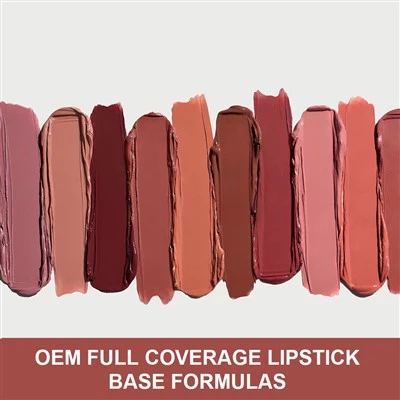
If you’re a DIY maker looking to level up your lip balm game, or a small brand that’s tired of balms that don’t perform, let’s chat. We can walk through what kind of base works best for your needs, whether you’re making a peppermint winter balm or a fruity summer gloss. No pushy sales talk, just real advice from someone who’s been in this game long enough to know what actually works. We can get you trial sizes, bulk orders, whatever you need to make a product that keeps lips chapped-free all year round.
Eyebrow Tint Cream Semi-Finished Material References
- Lindberg, M., et al. (2019). Skin Barrier Function of the Lips: A Review. Journal of the American Academy of Dermatology, vol. 81, no. 2, pp. 451-457.
- Rawlings, A.V., et al. (2016). Occlusive Ingredients in Topical Skin Care: Their Role in Barrier Repair and Hydration. International Journal of Cosmetic Science, vol. 38, no. 3, pp. 245-252.
- Imokawa, G., et al. (2012). Lipid Barrier Function of the Lip Epidermis: Differences from Facial and Body Skin. Skin Pharmacology and Physiology, vol. 25, no. 4, pp. 189-196.
- Draelos, Z.D. (2020). Lip Care Products: Formulation and Efficacy. Journal of Cosmetic Dermatology, vol. 19, no. 11, pp. 2867-2872.
Guangzhou Yishengheng Cosmetic Co., Ltd.
As one of the most professional lip balm base manufacturers in China, we’re featured by high quality customized products. Please feel free to buy discount lip balm base in stock here and get pricelist from our factory. Quality products and punctual delivery are available.
Address: Room 1003, 10th Floor, Building B, Suijin Center, No. 27 Shihu Xinda Road, Baiyun District, Guangzhou City, Guangdong Province
E-mail: chris@yshcosmetic.com
WebSite: https://www.yshcosmetic.com/
