As a supplier of underground loading trolleys, I’ve witnessed firsthand the importance of understanding the unloading methods of these essential pieces of equipment. In the mining and tunneling industries, underground loading trolleys play a crucial role in transporting materials efficiently and safely. Today, I’d like to delve into the various unloading methods of underground loading trolleys, shedding light on their significance and how they can impact your operations. Underground Loading Trolley
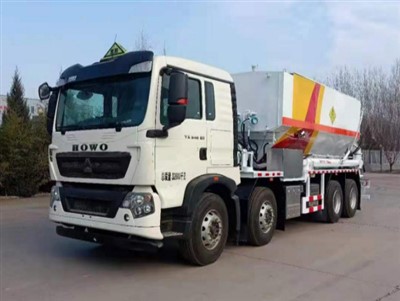
Gravity Unloading
One of the most common unloading methods for underground loading trolleys is gravity unloading. This method relies on the natural force of gravity to empty the contents of the trolley. The trolley is designed with a hinged or tiltable body, allowing it to be raised at one end. Once the trolley is in the desired position, the operator releases a mechanism that allows the body to tilt, causing the material to slide out under the influence of gravity.
Gravity unloading is a simple and cost – effective method. It requires minimal additional equipment and is relatively easy to operate. However, it does have some limitations. The angle of the tilt and the properties of the material being transported can affect the efficiency of the unloading process. For example, sticky or cohesive materials may not flow freely, and a steeper tilt angle may be required. Additionally, the height at which the material needs to be unloaded can also pose challenges, as the trolley may need to be positioned at an appropriate elevation.
Hydraulic Unloading
Hydraulic unloading is another popular method used in underground loading trolleys. This method utilizes hydraulic cylinders to lift and tilt the trolley body. The hydraulic system provides a powerful and controlled way to unload the materials. By activating the hydraulic controls, the operator can precisely adjust the angle and speed of the tilt, ensuring a smooth and efficient unloading process.
Hydraulic unloading offers several advantages. It can handle a wide range of materials, including heavy and dense ones. The hydraulic system provides consistent and reliable performance, even in challenging underground environments. It also allows for greater flexibility in terms of the unloading angle and the ability to unload at different heights. However, hydraulic systems require regular maintenance to ensure proper functioning, and they can be more complex and expensive to install and repair compared to gravity unloading systems.
Conveyor – Assisted Unloading
In some cases, underground loading trolleys are equipped with conveyor systems to assist with unloading. This method is particularly useful when dealing with large volumes of materials or when a continuous flow of material is required. The conveyor system is integrated into the trolley, and as the trolley is positioned at the unloading point, the conveyor is activated. The material is then transferred from the trolley to the conveyor, which transports it to the desired location.
Conveyor – assisted unloading offers several benefits. It allows for a more controlled and efficient unloading process, especially when dealing with fine or granular materials. The conveyor can be adjusted to control the flow rate and direction of the material, ensuring that it is deposited accurately. It also reduces the risk of spillage and improves the overall safety of the unloading operation. However, conveyor systems require additional space and power, and they may need to be customized to fit the specific requirements of the underground loading trolley and the unloading site.
Pneumatic Unloading
Pneumatic unloading is a specialized method that uses compressed air to discharge the materials from the underground loading trolley. This method is often used for handling dry, free – flowing materials such as powders and granules. The trolley is equipped with a pneumatic system that creates a pressure differential, forcing the material out of the trolley through a discharge pipe.
Pneumatic unloading offers several advantages. It provides a clean and efficient way to unload materials, as there is no contact between the material and the unloading equipment other than the air flow. It also allows for remote operation, which can be beneficial in hazardous or hard – to – reach areas. However, pneumatic systems require a reliable source of compressed air and may be more expensive to install and operate compared to other unloading methods.
Considerations for Choosing the Right Unloading Method
When choosing the unloading method for your underground loading trolley, several factors need to be considered. The type of material being transported is a crucial factor. Different materials have different flow properties, and the unloading method should be selected to ensure that the material can be discharged efficiently. For example, sticky materials may require a more powerful unloading method, such as hydraulic or pneumatic unloading, while free – flowing materials may be suitable for gravity or conveyor – assisted unloading.
The volume of material to be unloaded also plays a role. For large volumes, conveyor – assisted or pneumatic unloading may be more appropriate, as they can handle high – throughput operations. The available space at the unloading site is another important consideration. Some unloading methods, such as conveyor – assisted unloading, require more space, while gravity unloading can be more compact.
The operating environment is also a significant factor. Underground mines and tunnels can be harsh and challenging environments, with limited access and potential safety hazards. The unloading method should be selected to ensure that it can operate reliably in these conditions. For example, hydraulic systems may be more suitable for environments with high humidity or dust, as they are more resistant to these conditions compared to pneumatic systems.
Conclusion
In conclusion, understanding the different unloading methods of underground loading trolleys is essential for ensuring efficient and safe operations in the mining and tunneling industries. Each unloading method has its own advantages and limitations, and the choice of method should be based on the specific requirements of your operation, including the type of material, volume, available space, and operating environment.

As a supplier of underground loading trolleys, I am committed to providing our customers with the best solutions for their unloading needs. We offer a wide range of trolleys equipped with different unloading methods, and our team of experts can help you select the most suitable option for your specific application.
Explosives Production Line If you are interested in learning more about our underground loading trolleys and their unloading methods, or if you have any questions or requirements, please feel free to contact us. We look forward to discussing how we can meet your needs and contribute to the success of your operations.
References
- Smith, J. (2018). Mining Equipment Handbook. Publisher XYZ.
- Johnson, A. (2019). Underground Tunneling Operations. Academic Press.
- Brown, R. (2020). Material Handling in Mining. Industrial Press.
Shanxi Honghu Special Purpose Vehicle Manufacturing Co., Ltd.
As one of the most professional underground loading trolley manufacturers and suppliers in China, we’re featured by quality products and good price. Please rest assured to buy bulk underground loading trolley in stock here and get pricelist from our factory. Also, custom service is available.
Address: No. 16 Nanhuan West Street, Changzhi Economic and Technological Development Zone, Shanxi Province
E-mail: sxczhh15035590669@163.com
WebSite: https://www.mixedexplosivestruck.com/
