Hey there! I’m a supplier of vertical lathes, and today I wanna talk about how the saddle moves in a vertical lathe. It’s a pretty cool topic, and understanding it can really help you get the most out of your vertical lathe. Vertical Lathe
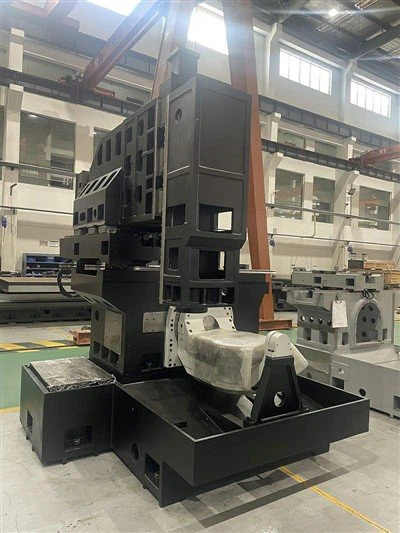
First off, let’s talk about what the saddle is. In a vertical lathe, the saddle is an important part. It’s like a movable platform that holds the tool post. The tool post, as you can guess, is where you mount the cutting tools. So, the saddle’s movement is crucial for getting the right cuts on your workpiece.
The movement of the saddle in a vertical lathe is mainly in two directions: vertical and horizontal. Let’s start with the vertical movement.
Vertical Movement
The vertical movement of the saddle is all about adjusting the height of the cutting tool relative to the workpiece. This is super important because different cutting operations require different cutting depths. For example, if you’re roughing out a large piece of material, you might want to set a relatively deep cutting depth. But when you’re doing finishing work, you’ll need a much shallower depth.
The vertical movement is usually controlled by a lead screw. The lead screw is like a big threaded rod. When the operator turns a handwheel or activates a motor connected to the lead screw, the screw rotates. As it rotates, it moves the saddle up or down along the vertical ways. The ways are like tracks that guide the saddle’s movement. They make sure the saddle moves smoothly and precisely in the vertical direction.
The speed of the vertical movement can be adjusted. Some vertical lathes have a variable – speed control for the lead screw. This allows the operator to choose the right speed depending on the material being cut, the type of operation, and the size of the workpiece. For instance, when cutting a hard material like steel, a slower vertical movement might be better to ensure a clean cut and prevent the tool from wearing out too quickly.
Horizontal Movement
The horizontal movement of the saddle is used to position the cutting tool along the diameter of the workpiece. This is essential for operations like facing, where you need to cut across the surface of the workpiece to make it flat.
Just like the vertical movement, the horizontal movement is also guided by ways. In this case, it’s the horizontal ways. A similar mechanism is used for the horizontal movement. There’s usually a lead screw or a ball screw that’s connected to a handwheel or a motor. When the operator turns the handwheel or activates the motor, the screw rotates, and the saddle moves horizontally along the ways.
The accuracy of the horizontal movement is very important. Even a small error in the horizontal position of the cutting tool can lead to an inaccurate cut. That’s why modern vertical lathes are equipped with high – precision ball screws and digital readouts. The ball screws provide smooth and precise movement, and the digital readouts allow the operator to see exactly how far the saddle has moved.
Factors Affecting Saddle Movement
There are several factors that can affect how the saddle moves in a vertical lathe.
Lubrication
Lubrication is key. The ways need to be well – lubricated to ensure smooth movement. If the ways aren’t lubricated properly, the saddle might stick or move unevenly. This can lead to poor cutting quality and even damage to the lathe. Most vertical lathes have a lubrication system that automatically applies lubricant to the ways at regular intervals.
Wear and Tear
Over time, the ways and the lead screws can wear out. This can affect the accuracy and smoothness of the saddle’s movement. Regular maintenance is necessary to check for wear and replace any worn parts. For example, if the lead screw starts to show signs of excessive wear, it might need to be replaced to maintain the lathe’s performance.
Operator Skill
The skill of the operator also plays a big role. A skilled operator knows how to control the movement of the saddle effectively. They can choose the right speed and position for the cutting tool based on the requirements of the job. They can also detect any problems with the saddle’s movement early on and take appropriate action.
Benefits of Understanding Saddle Movement
If you understand how the saddle moves in a vertical lathe, you can get a lot of benefits.
Improved Cutting Quality
By being able to control the saddle’s movement precisely, you can achieve better cutting quality. You can make sure that the cutting tool is at the right height and position for each operation, which leads to smoother cuts and more accurate workpieces.
Increased Productivity
When you know how to move the saddle efficiently, you can reduce the time it takes to complete a job. You can quickly position the cutting tool for different operations, which means you can get more work done in less time.
Longer Lathe Life
Properly controlling the saddle’s movement and performing regular maintenance based on your understanding of how it works can extend the life of your vertical lathe. You can prevent unnecessary wear and tear on the components, which saves you money in the long run.
Why Choose Our Vertical Lathes
As a supplier of vertical lathes, we take pride in the quality of our products. Our vertical lathes are designed with advanced technology to ensure smooth and precise saddle movement.
We use high – quality lead screws and ball screws that provide accurate and reliable movement. The ways are made of durable materials and are precision – machined to ensure smooth operation. Our lathes also come with a user – friendly control system that makes it easy for operators to control the saddle’s movement.
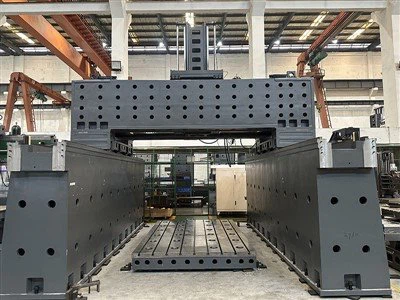
Whether you’re a small – scale workshop or a large – scale manufacturing plant, our vertical lathes can meet your needs. We offer a range of models with different specifications, so you can choose the one that’s right for your specific applications.
Aluminum Cnc Machine If you’re interested in purchasing a vertical lathe or have any questions about how the saddle moves in our lathes, don’t hesitate to get in touch with us. We’re here to help you make the best decision for your business. We can provide you with more detailed information, answer your questions, and even arrange a demonstration if you’d like. So, reach out to us and let’s start a conversation about how our vertical lathes can improve your production process.
References
- "Machine Tool Handbook" by Industrial Press
- "Fundamentals of Metal Machining and Machine Tools" by M. P. Groover
Smartech Machinery & Equipment Co., Ltd.
As one of the most professional vertical lathe manufacturers and suppliers in China, we also support customized service. Please rest assured to buy bulk vertical lathe made in China here from our factory. Contact us for more details.
Address: Room 2832, Changping Commercial Mansion, Shihua Road, Futian Free Trade Zone, Shenzhen, China
E-mail: smartech@smartechcnc.cn
WebSite: https://www.smartech-cnc.com/
