What is the Weight of a Hydraulic Compactor?
As a supplier of hydraulic compactors, I often encounter inquiries from customers about the weight of these machines. Understanding the weight of a hydraulic compactor is crucial for various reasons, including transportation, installation, and operational efficiency. In this blog post, I will delve into the factors that influence the weight of a hydraulic compactor, the typical weight ranges for different types of compactors, and why weight matters in the context of your construction projects. Hydraulic Compactor

Factors Affecting the Weight of a Hydraulic Compactor
1. Compactor Type
There are several types of hydraulic compactors, each designed for specific applications and soil conditions. The most common types include dynamic hydraulic compactors, vibratory hydraulic compactors, and impact hydraulic compactors. Dynamic hydraulic compactors are generally heavier due to their large masses and high-energy impact mechanisms. These compactors are used for deep compaction of granular soils and can weigh anywhere from a few tons to over 20 tons.
Vibratory hydraulic compactors, on the other hand, rely on vibration to compact the soil. They are typically lighter than dynamic compactors, with weights ranging from around 1 to 10 tons. Their relatively lower weight makes them more suitable for smaller construction sites and finer-grained soils.
Impact hydraulic compactors use a heavyweight dropping mechanism to create high-impact forces. The weight of an impact hydraulic compactor can vary significantly depending on its size and the required impact energy, but they usually fall in the range of a few tons to 15 tons or more.
2. Compression Force Requirements
The required compression force of a hydraulic compactor is directly related to its weight. Higher compression forces are needed for compacting thicker layers of soil or more cohesive materials. To generate these forces, the compactor needs to have a sufficient mass. For example, if you are working on a project that requires deep compaction of a thick layer of clayey soil, you will need a heavier compactor with a higher compression force.
3. Structural Design and Materials
The design of the hydraulic compactor and the materials used in its construction also play a significant role in determining its weight. A well-designed compactor will be optimized to balance strength, durability, and weight. For instance, using high-strength steel in the construction of the compactor’s frame can reduce the overall weight while maintaining the necessary structural integrity. Additionally, the size and number of components, such as the hydraulic cylinders, motors, and the compaction plate, will contribute to the final weight of the machine.
4. Attachment Options
Many hydraulic compactors come with various attachment options to enhance their functionality. These attachments can add to the overall weight of the compactor. For example, a tilt attachment allows the compactor to work on uneven surfaces, but it will increase the weight of the machine. Other attachments, such as different types of compaction plates or extension arms, can also have an impact on the weight.
Typical Weight Ranges for Hydraulic Compactors
Small Hydraulic Compactors
Small hydraulic compactors are often used for light-duty applications, such as landscaping, small-scale construction projects, and trench compaction. These compactors typically weigh between 1 and 5 tons. They are easy to maneuver, transport, and operate, making them an ideal choice for contractors who need a versatile and lightweight compaction solution.
Medium Hydraulic Compactors
Medium-sized hydraulic compactors are suitable for a wide range of applications, including road construction, building foundations, and medium-depth compaction. Their weights usually range from 5 to 10 tons. These compactors offer a good balance between power and portability, making them a popular choice for many construction companies.
Large Hydraulic Compactors
Large hydraulic compactors are designed for heavy-duty applications, such as large-scale infrastructure projects, deep compaction of industrial sites, and landfill compaction. These machines can weigh over 10 tons, with some reaching weights of 20 tons or more. They are powerful and capable of handling the most challenging compaction tasks, but they also require more substantial transportation and installation arrangements.
Importance of Weight in Construction Projects
1. Transportation
The weight of a hydraulic compactor is a critical factor when it comes to transportation. Heavier compactors require larger and more powerful transport vehicles, which can increase transportation costs. Additionally, transportation regulations often limit the weight of loads on public roads. Therefore, it is essential to choose a compactor with a weight that can be safely and legally transported to your project site.
2. Installation and Site Accessibility
The weight of the compactor also affects its installation and accessibility on the project site. Heavier compactors may require specialized equipment for installation, such as cranes or hydraulic lifts. Moreover, they may not be suitable for sites with limited access or weak ground conditions. In such cases, a lighter compactor may be a better choice to ensure easy installation and safe operation.
3. Operational Efficiency
The weight of a hydraulic compactor can impact its operational efficiency. A compactor that is too light may not be able to generate enough compression force to achieve the desired compaction results. On the other hand, an overly heavy compactor may be difficult to maneuver and may cause unnecessary damage to the surrounding area. Therefore, it is crucial to select a compactor with an appropriate weight for your specific project requirements.
Choosing the Right Weight for Your Project
When selecting a hydraulic compactor, it is essential to consider the specific requirements of your project. Here are some steps to help you choose the right weight:
1. Assess the Soil Conditions
The type and condition of the soil at your project site will determine the amount of compression force needed. Consult with a geotechnical engineer to evaluate the soil properties, such as the soil type, moisture content, and compaction requirements. This information will help you determine the appropriate weight and type of compactor for your project.
2. Consider the Project Scale
The size and scope of your project will also influence the choice of compactor weight. For small-scale projects, a lighter compactor may be sufficient. However, for large-scale infrastructure projects, a heavier and more powerful compactor may be required to ensure efficient and effective compaction.
3. Evaluate Transportation and Site Constraints
Take into account the transportation options available and the accessibility of your project site. If you have limited transportation capacity or restricted site access, a lighter compactor may be more practical. Conversely, if you have the necessary resources and a large, open site, a heavier compactor may be a viable option.
4. Consult with a Compactor Expert
As a hydraulic compactor supplier, I have extensive experience in helping customers choose the right compactor for their projects. I can provide you with detailed information about the different types and weights of compactors available, as well as offer advice on installation, operation, and maintenance. Don’t hesitate to contact me for personalized assistance.
Conclusion
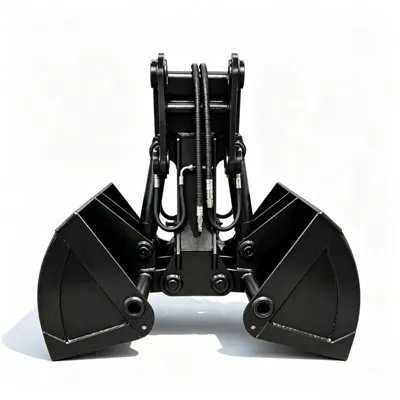
The weight of a hydraulic compactor is a crucial factor that can significantly impact the success of your construction project. By understanding the factors that influence the weight, the typical weight ranges for different types of compactors, and the importance of weight in transportation, installation, and operational efficiency, you can make an informed decision when choosing a compactor for your project.
Hydraulic Breaker If you are in the market for a hydraulic compactor and need more information, please feel free to reach out to me. I am here to help you select the right compactor that meets your specific requirements and budget. Let’s work together to ensure the success of your construction projects.
References
- ASTM D698 – Standard Test Methods for Laboratory Compaction Characteristics of Soil Using Standard Effort.
- BS 1377 – Methods of test for soil for civil engineering purposes.
- FHWA – Federal Highway Administration – Geotechnical Engineering Circulars related to soil compaction.
Hope Precision Machinery Co., Ltd.
As one of the most professional hydraulic compactor manufacturers and suppliers in China, we also support customized service. Please feel free to buy high quality hydraulic compactor for sale here from our factory. For more information, contact us now.
Address: No.8 Shenzhen Street, Development Zone, Yantai,Shandong ,China
E-mail: lulu@hope-breaker.com
WebSite: https://www.hopeequip.com/
