Are there any built – in diagnostic functions in lightning arrester and insulator test equipment? Lightning Arrester and Insulator Test Equipment
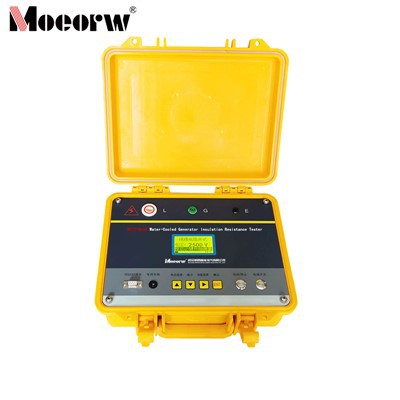
As a supplier of lightning arrester and insulator test equipment, I’ve received numerous inquiries regarding the built – in diagnostic functions of our products. In this blog, I will delve into this topic to provide a detailed answer and help our potential customers understand how these functions can benefit their testing processes.
The Importance of Diagnostic Functions in Test Equipment
Before discussing the built – in diagnostic functions, let’s first understand why they are crucial in lightning arrester and insulator test equipment. Lightning arresters and insulators are vital components in electrical power systems. Their proper functioning is essential for protecting the system from overvoltage caused by lightning strikes and other transient events. Regular testing is necessary to ensure their reliability, and the diagnostic functions in test equipment can significantly enhance the efficiency and accuracy of these tests.
Diagnostic functions can help operators quickly identify potential problems in lightning arresters and insulators. For example, they can detect early signs of degradation, such as changes in insulation resistance or leakage current. By detecting these issues early, maintenance can be scheduled in a timely manner, preventing more serious failures that could lead to power outages or equipment damage.
Common Built – in Diagnostic Functions
Our lightning arrester and insulator test equipment are equipped with several built – in diagnostic functions. These functions are designed based on years of research and practical experience in the field, aiming to provide accurate and comprehensive information about the condition of the tested equipment.
Insulation Resistance Measurement
Insulation resistance is a key indicator of the insulation condition of insulators. Our test equipment can measure the insulation resistance accurately. A significant decrease in insulation resistance may indicate moisture ingress, contamination, or physical damage to the insulator. The equipment has a built – in diagnostic algorithm that compares the measured insulation resistance with the standard values. If the measured value is outside the acceptable range, the equipment will issue an alarm, alerting the operator to potential problems.
Leakage Current Monitoring
Leakage current is another important parameter for evaluating the performance of lightning arresters and insulators. In normal operation, the leakage current should be within a certain range. However, factors such as aging, pollution, and overvoltage can cause an increase in leakage current. Our test equipment can continuously monitor the leakage current and analyze its trends. It can also perform harmonic analysis on the leakage current. The presence of certain harmonics in the leakage current can indicate specific types of problems, such as partial discharges in insulators or non – linear behavior in lightning arresters.
Temperature Monitoring
Temperature can have a significant impact on the performance of lightning arresters and insulators. Abnormal temperature rises may indicate internal faults, such as overheating due to excessive current flow. Our test equipment is equipped with temperature sensors that can measure the temperature of the tested equipment. The built – in diagnostic system can analyze the temperature data and compare it with the normal temperature range. If the temperature exceeds the normal range, it can provide early warnings, allowing operators to take appropriate measures before serious damage occurs.
Self – Calibration and Fault Self – Diagnosis
In addition to the diagnostic functions for lightning arresters and insulators, our test equipment also has self – calibration and fault self – diagnosis functions. Self – calibration ensures the accuracy of the measurement results. The equipment can automatically adjust its internal parameters to maintain the measurement accuracy within the specified range. Fault self – diagnosis helps operators quickly identify problems with the test equipment itself. If there is a malfunction, the equipment can display error codes and corresponding fault descriptions, making it easier for operators to troubleshoot and repair.
Benefits of Built – in Diagnostic Functions for Customers
The built – in diagnostic functions in our lightning arrester and insulator test equipment offer several benefits for our customers.
Time – saving
With the built – in diagnostic functions, operators can quickly obtain comprehensive information about the condition of the tested equipment. They don’t need to perform complex manual calculations or use additional analysis tools. This saves a significant amount of time, especially when testing a large number of lightning arresters and insulators.
Cost – effective
By detecting potential problems early, operators can schedule maintenance in a timely manner, avoiding more expensive repairs or replacements in the future. The self – calibration and fault self – diagnosis functions also reduce the need for external calibration and maintenance services, further reducing costs.
Improved Safety
Accurate and timely diagnosis of problems in lightning arresters and insulators can help prevent power outages and equipment damage, improving the safety and reliability of the electrical power system. This is especially important for critical applications, such as power plants and substations.
How to Use the Diagnostic Functions
Using the diagnostic functions in our test equipment is relatively straightforward. The equipment is designed with a user – friendly interface, making it easy for operators to operate.
First, operators need to connect the test equipment to the lightning arrester or insulator according to the instructions. Then, they can start the test by pressing the corresponding buttons on the control panel. The test equipment will automatically perform the measurements and analyze the data using the built – in diagnostic algorithms.
During the test, the equipment will display real – time measurement results and diagnostic information on the screen. If there are any problems, the alarm function will be activated, and the equipment will display detailed fault descriptions. Operators can then take appropriate actions based on the diagnostic information.
Conclusion

In conclusion, our lightning arrester and insulator test equipment are equipped with a variety of built – in diagnostic functions. These functions play a crucial role in ensuring the accuracy and efficiency of the testing process, as well as the safety and reliability of the electrical power system. By using our test equipment, customers can save time and cost, and improve the overall performance of their electrical systems.
Online Monitoring Testing Equipment If you are interested in our lightning arrester and insulator test equipment or have any questions about the built – in diagnostic functions, please feel free to contact us for further discussion and potential procurement. We are committed to providing high – quality products and excellent customer service to meet your specific needs.
References
- Electrical Power System Protection and Switchgear Handbook
- Standards on Lightning Arrester and Insulator Testing
Wuhan Moen Intelligent Electric Co., Ltd.
As one of the most professional lightning arrester and insulator test equipment manufacturers in China, we’re featured by quality products and good price. Please rest assured to buy high quality lightning arrester and insulator test equipment in stock here and get quotation from our factory. Customized orders are welcome.
Address: Building A, No.1, Fenghuangyuan 2nd Road, Donghu New Technology Development Zone, Wuhan, Hubei, China
E-mail: info@hvhipotsystem.com
WebSite: https://www.hvhipotsystem.com/
