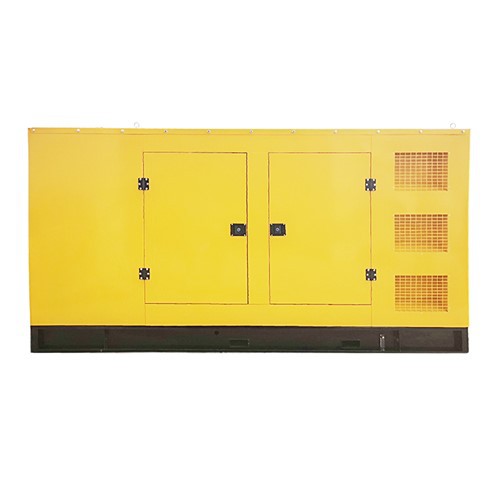
Hey there! I’m a supplier of household diesel generators, and I’ve seen my fair share of common problems with these machines. Over the years, I’ve learned how to troubleshoot them effectively, and I’m here to share some of my tips with you. Household Diesel Generator
1. Generator Won’t Start
One of the most common issues I hear from customers is that their generator won’t start. There are a few things you can check when this happens.
Fuel Issues
First off, make sure there’s enough fuel in the tank. Sounds obvious, right? But you’d be surprised how many times it’s just a matter of refilling. Also, check the fuel lines for any blockages or leaks. Sometimes, dirt or debris can get into the lines and prevent fuel from flowing properly. If you suspect a blockage, you might need to clean or replace the fuel filter.
Battery Problems
The battery is another key component. Check if the battery is charged. You can use a voltmeter to test it. A fully – charged battery should read around 12.6 volts. If it’s significantly lower, you may need to charge the battery or replace it if it’s old. Also, check the battery terminals for any corrosion. Corroded terminals can prevent the battery from delivering power to the starter motor. You can clean the terminals with a wire brush and some baking soda mixed with water.
Starter Motor
If the battery is fine, the problem might be with the starter motor. Listen for a clicking sound when you try to start the generator. If you hear a click but the engine doesn’t turn over, it could be a sign of a faulty starter motor. In this case, you may need to have the starter motor repaired or replaced.
2. Generator Runs Rough
A generator that runs rough can be a real headache. There are a few possible causes for this.
Air Filter
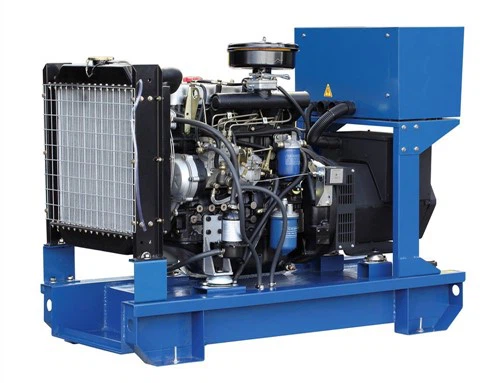
The air filter is crucial for proper engine operation. If it’s dirty or clogged, it can restrict the airflow to the engine, causing it to run rough. Check the air filter regularly and clean or replace it as needed. A dirty air filter can also reduce fuel efficiency and increase emissions.
Spark Plugs
Spark plugs play an important role in igniting the fuel – air mixture in the engine. Over time, they can become worn or fouled. Check the spark plugs for signs of wear, such as a worn electrode or carbon deposits. If they look bad, replace them with new ones. Make sure to use the correct type of spark plugs for your generator.
Fuel Quality
Poor – quality fuel can also cause the generator to run rough. Diesel fuel can degrade over time, especially if it’s stored in a hot or humid environment. If possible, use fresh, high – quality diesel fuel. You can also add a fuel stabilizer to the fuel tank to prevent fuel degradation.
3. Generator Overheating
Overheating is a serious problem that can damage the generator if not addressed promptly.
Cooling System
The cooling system is responsible for keeping the engine at the right temperature. Check the coolant level in the radiator. If it’s low, add more coolant. Also, make sure the radiator fins are clean and free of debris. A clogged radiator can prevent proper heat dissipation. You can use a soft brush or compressed air to clean the radiator fins.
Fan Belt
The fan belt drives the cooling fan, which helps to cool the engine. Check the fan belt for any signs of wear or damage, such as cracks or fraying. If the fan belt is loose or damaged, it may not be able to turn the fan properly, leading to overheating. Tighten the fan belt if it’s loose or replace it if it’s damaged.
Load Issues
Running the generator at a load that’s too high for its capacity can also cause it to overheat. Make sure you’re not overloading the generator. Check the generator’s rated power and make sure the total power of the appliances you’re running on it doesn’t exceed this rating.
4. Low Power Output
If your generator is not producing enough power, there are several things to look into.
Voltage Regulator
The voltage regulator is responsible for maintaining a stable output voltage. If it’s malfunctioning, the generator may produce low voltage. Check the voltage regulator for any signs of damage or overheating. You may need to have it tested or replaced by a professional.
Alternator
The alternator converts mechanical energy into electrical energy. If it’s not working properly, the generator will have a low power output. Look for signs of damage to the alternator, such as burnt wires or a noisy operation. A faulty alternator may need to be repaired or replaced.
Load Distribution
Sometimes, the problem may be with how you’re distributing the load. Make sure the appliances are evenly distributed across the generator’s outlets. Uneven load distribution can cause some circuits to be overloaded while others are under – utilized, leading to a lower overall power output.
5. Excessive Noise or Vibration
Excessive noise or vibration from a generator can be annoying and may also indicate a problem.
Mounting
Check the generator’s mounting. If it’s not properly mounted, it can vibrate more than normal. Make sure all the mounting bolts are tight and that the generator is sitting on a level surface. You may also want to consider using vibration – isolating pads to reduce the amount of vibration transferred to the floor or the mounting surface.
Engine Components
Some engine components may be loose or worn, causing noise and vibration. Check the engine’s belts, pulleys, and other moving parts for any signs of wear or looseness. Tighten or replace any components as needed.
Exhaust System
A damaged or loose exhaust system can also cause excessive noise. Inspect the exhaust system for any cracks, holes, or loose connections. Replace or repair the exhaust system as necessary.
In conclusion, troubleshooting common problems with a household diesel generator isn’t always easy, but with a little bit of knowledge and some basic tools, you can often figure out what’s wrong and fix it. If you’re ever unsure or the problem seems too complex, don’t hesitate to reach out for professional help.
If you’re in the market for a new household diesel generator or need some replacement parts for your existing one, I’m here to help. I’ve been in this business for a long time, and I’ve got a wide range of high – quality products at competitive prices. Whether you need a small generator for occasional use or a larger one for more demanding applications, I can find the right solution for you. Just drop me a line, and we can start discussing your needs and getting you the best deal possible.
Household Diesel Generator References
- Diesel Generator Maintenance Manuals from various manufacturers
- Industry – recognized diesel engine repair guides
Dianbida Power Equipment (Jiangsu) Co., Ltd.
We’re well-known as one of the leading household diesel generator manufacturers and suppliers in China. We warmly welcome you to buy advanced household diesel generator at competitive price from our factory. If you have any enquiry about pricelist and quotation, please feel free to email us.
Address: No. 23, Nanhuan Road, Jiangdu District, Yangzhou City, Jiangsu Province
E-mail: 19962469616@163.com
WebSite: https://www.js-dbdpower.com/
