Hey everyone, let’s cut right to the chase – if you’ve ever worked with tile projects (bathrooms, kitchens, maybe even outdoor patios), you’ve definitely heard of waterproof backer boards. As someone who’s been part of this game for years, supplying these bad boys to contractors, DIYers, and everyone in between, one question pops up all the time: Do I actually need to seal these things after I install ‘em? Waterproof Backer Board Series
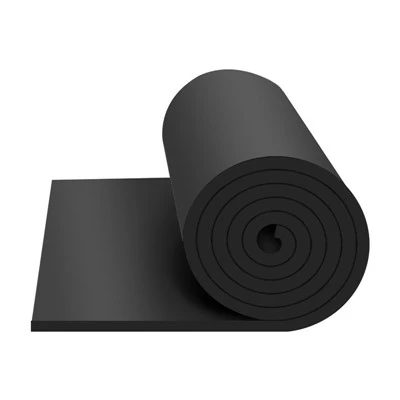
I get why this is such a head-scratcher. You drop big cash on a waterproof backer board (let’s call it WBB for short, because no one has time to type that every time) because you want that “no leaks, no headaches” peace of mind. So why would anyone add an extra step like sealing it? That feels like overkill, right? But here’s the thing – most of the confusion comes from people mixing up “water-resistant” and “waterproof,” and not actually understanding how these boards work under the hood.
First, let’s ground this in what we actually sell. Our WBB series isn’t some magic sheet that repels water 100% forever. It’s made with core materials like cement mixed with special fiberglass, plus a water-repellent coating on the surface. That’s where the whole “waterproof” label comes from – it stops bulk water like standing water from a shower or splashes from a sink. But wait, bulk water isn’t the only thing that causes problems. What about capillary action? Or tiny, unseen gaps from how you install the board? That’s where sealing comes in, and it’s not always a “do or don’t” – it’s a “when, where, and how” thing.
Let’s break down installation first because that’s where most of the secret issues start. When you put WBBs up, you don’t just nail ’em to studs and call it a day. You have to tape the seams between boards, right? And you use thinset mortar to stick them, plus maybe screws. Even if you do that by the book (and I’ll be honest, I’ve seen contractors skip steps because they’re crunched for time), those seams are weak points. Our WBB’s surface is water-resistant, but the edges – where the board was cut to fit your space –? That raw cement core? It’s absorbent. Not to mention, the thinset that squeezes out into seams might not bond as tight as it should, leaving tiny crevices that water can seep into over time.
Wait, but some of our customers swear they’ve never sealed their WBB projects and they’ve been fine for 10 years. Why is that? Well, it all depends on the environment. Let’s talk about different spaces. If you’re tiling a small half-bath with a basic shower stall that only gets used a couple times a week, maybe the raw edges of the WBB never get exposed to enough moisture to cause a problem. That’s not a bad call – but it’s also not a “rule” for every project. Now, if you’re doing a master bathroom shower that runs 10 minutes every morning, or an outdoor patio where it’s exposed to rain, humidity, and maybe even pool water? That’s a different story. The constant exposure means those tiny gaps and absorbent edges will start to break down over time. The cement core can absorb moisture, which leads to mold, mildew, and even warping – and that’s the last thing anyone wants when their tile starts cracking.
Here’s another point a lot of people get wrong: not all WBBs are the same. Our series is top-tier, but some cheaper off-brand WBBs out there are labeled “waterproof” just because they have a thin plastic film on one side. That film can scratch or tear during installation, leaving exposed core that’s even worse. But even with our high-quality boards, we still recommend sealing in specific cases – not because the board is bad, but because we want your project to last.
What kind of sealant should you use, by the way? I get a ton of questions about this too. The last thing you want is to slap on a random sealant that doesn’t play nice with thinset or tile adhesive. For WBBs, we always recommend a thin, acrylic-based sealant or a Portland cement-based primer. Skip the heavy-duty paint sealants – they’re too thick and can prevent your thinset from bonding properly, which is a disaster because your tile will just fall off later. And when you do seal it? Two thin coats, not one thick gloppy layer. Thick layers crack, so thin is way better. Focus on the seams first, then the edges where you cut the board, and a light coat on the surface if you want extra protection – but don’t overdo it.
Wait, let’s address the counterargument here. Some people say “WBB is waterproof, so sealing is a waste of time.” I hear you, but let’s test that logic. Imagine you have a raincoat that’s labeled waterproof. But if you rip a tiny hole in the arm, or the seam along the shoulder isn’t sealed, does the rain still get in? Yep. That’s exactly what’s happening with WBB installation. The board itself is like the raincoat fabric – it repels water. The seams and cut edges are the holes and unsealed seams. Sealing those is just patching those weak points, not undoing the board’s original purpose.
I also want to touch on DIYers vs. professional contractors, because that’s a big divide. A contractor who does this every day knows to seal, tape, and mastic every seam without skipping steps. They have the experience to spot gaps that a new DIYer might miss. But if you’re a DIYer tackling your first shower project? Skipping sealing those cut edges is a huge risk. You might get away with it for a year or two, but then you have water seeping behind the tile, ruining the drywall or studs, and then you’re dealing with a massive repair that costs way more than the 10 minutes it would’ve taken to seal the WBB.
Let me share a quick story that’s stuck with me. A few years back, a customer bought 10 sheets of our WBB for his basement bathroom shower. He did the whole project himself, skipped sealing, saved a couple hours. Six months later, he hit me up panicking – the tile was cracking, there was mold growing behind the shower wall, and he had to rip out half the wall. Turned out, he’d cut two of the WBB sheets to fit around a pipe, didn’t seal those raw edges, and every time he showered, water seeped in through the porous core. If he’d just put a thin coat of sealant on those edges, that problem would’ve never happened. That’s the kind of headache we don’t want anyone dealing with.
But here’s the thing – we’re not saying always seal every single WBB you install. That’s not the case. If you’re tiling a backsplash in a kitchen, where the WBB is only exposed to occasional splashes, not constant moisture? Sealing isn’t necessary. If you’re doing a wall that’s not near any water? Don’t waste your time. It’s all about assessing the project’s moisture level and the installation quality.
Wait, also, let’s clarify what “sealing after installation” actually means, because some people confuse sealing the WBB with sealing the tile grout. Those are two totally different steps! Grout sealing is for the tile lines, to stop stains and moisture from seeping through the grout. WBB sealing is for the backer board itself, specifically the cut edges and seams, before you put down thinset and tile. Don’t mix those up – they serve different purposes, and you need both if you want a long-lasting tile project.
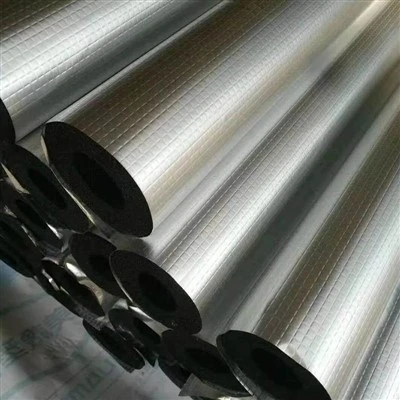
So let’s wrap this up with the key takeaways, because I know you just skimmed the last 2000 words (no judgment, I do it too). First: Waterproof backer boards are water-resistant, not impervious to all gaps or moisture. Second: Sealing is not a required step for every project, but it’s highly recommended for high-moisture areas (showers, outdoor tiling, hot tub surrounds) and when you cut the board to custom sizes. Third: Use the right sealant – thin acrylic or Portland cement-based, skip the thick stuff that messes with adhesion. Fourth: Don’t skip sealing if you’re a DIYer, because small gaps lead to big problems.
Rubber & Plastic Products If you’re still on the fence, or you’re not sure whether your project needs sealing, hit us up. We’re not just a supplier – we’re here to help you get your project right. We’ve got the WBB series that fits every need, plus we can give you specific tips for your space, whether you’re doing a small half-bath or a full outdoor patio. Stop guessing and start getting the right advice – contact our team to talk through your project, grab samples if you want, and make sure your tile job lasts for years (no leaky surprises, we promise).
References
- Tile Council of North America. (2020). Handbook for Ceramic Tile Installation, 10th Edition. TCNA.
- International Code Council. (2021). International Residential Code (IRC) Chapter 7: Plumbing. ICC.
- Backer Board Manufacturers Association. (2022). Best Practices for Waterproof Backer Board Installation and Sealing. BBMA.
- American Society for Testing and Materials. (2019). Standard Test Method for Water Absorption of Fiber-Cement Backer Boards. ASTM C1283.
Langfang Aolesi Thermal Insulation Materials Co., Ltd.
As one of the most professional waterproof backer board manufacturers and suppliers in China, we also support customized service. Please feel free to buy bulk high quality waterproof backer board made in China here from our factory. For pricelist, contact us now.
Address: Dongwang Village, Dacheng County, Langfang City, Hebei Province
E-mail: Lfaolesibaowen@outlook.com
WebSite: https://www.lfaolesi.com/
