Hey there, fellow plush lovers and anyone who’s ever stared at a random custom design and thought, “Wait, can that specific, weird (but perfect) detail actually happen?” Today we’re diving into a question I get so often I’ve lost count: “Can I get a custom plush with a specific hoof shape?” And since I’m the person on the other side of that message—de-sketching hooves, adjusting patterns, and panicking a little when someone says “my character’s hooves aren’t round, they’re like… tiny trapezoids with a spike on the side”—I’ve got all the real, not-fancy, behind-the-scenes tea for you. Let’s cut the fluff (pun so intended) and break this down. Custom Plush
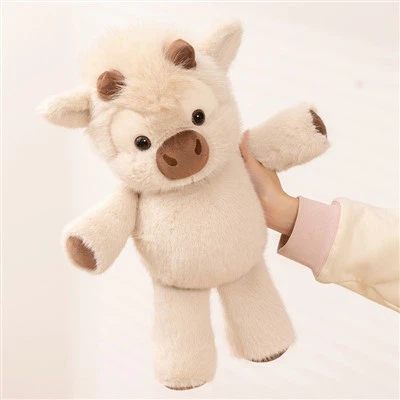
First off, let’s get one thing straight: I know hooves aren’t a “standard plush thing.” Most off-the-shelf plush unicorns, ponies, even fantasy centaurs get stuck with the same generic, squishy, slightly lumpy hoof—like someone just took a tiny pillow shape and called it a day. But custom plush? That’s where the fun (and the actual work) starts, so no, generic hooves don’t have to be your only option. But before we jump into what’s possible, let’s talk about why that question actually crosses people’s minds. It’s not just “I want my plush to have pointy hooves”—it’s specific. Like, “my OC is a forest guardian who’s been standing on moss for 100 years, so their hooves have a slight indent on the inner edge” or “my kid’s favorite pony has hooves that curl up at the toe so they can grip tree branches” or even “I’m making a plush of my pet miniature horse, and their hooves have that little white ‘frog’ indent in the center that the vet kept pointing out.” Those tiny, specific details are what make a custom plush feel like yours—not a mass-produced clone from the dollar store.
Now, let’s get into the science (the non-boring, plush-making science, not a college lecture) of actually pulling off a custom hoof shape. First, here’s the thing: hooves for plush aren’t just drawn as shapes—they’re made with fabric, stuffing, and a pattern that has to hold up when you squish, hug, and wash the plush. Let’s walk through how this works, from your idea to the finished toy.
First step: when you send me your hoof reference (yes, even a blurry phone pic is fine, I’ve worked with way worse), I start by translating that 2D image into a 3D pattern that’s actually sewable. Wait, why’s that hard? Because a flat drawing of a hoof is just a shape with lines, but when you turn it into a plush part, it needs to have a right side and a wrong side, a seam allowance (the extra fabric you leave when sewing—trust me, you don’t want to forget that and have a hoof that’s too small), and enough space for stuffing so it doesn’t just flop like a sad jelly bean. For example, last month I got a request for “dragon hooves that have a sharp, almost claw-like edge instead of a rounded bottom.” The initial drawing was just a straight line with a point, but when I made the pattern, I had to add a tiny curve to the seam so when it’s stuffed, the point doesn’t look like it’s been squished flat. If I’d just traced the drawing directly, that sharp edge would’ve turned into a lumpy, blurry mess.
Next, material choice matters way more than you’d think for custom hooves. A lot of people don’t realize that the fabric you use for the hoof changes how the shape turns out. If you want a hard, defined hoof (like a unicorn’s that’s been sharpened, or a fantasy character’s armored hoof), I use a stiffer fabric—usually a thick minky or even a tiny bit of felt backing, so when you stuff it, it holds its shape instead of going squishy. But if you want hooves that are soft, squishy, and match the rest of the plush’s body, you’d use the same fabric as the main body, maybe a slightly thicker minky so it doesn’t lose shape. I once had a customer who wanted “hooves like real cow hooves—slightly textured, not smooth” so I used a subtle shawl minky for the hooves instead of the soft smooth minky we used for the rest of the cow plush, and it made all the difference. You can even mix fabrics if you want—like a satin accent for a hoof tip, or a small patch of fabric with a pattern (like tiny stars) for the “frog” indent in a horse’s hoof. That’s the fun part of custom—you don’t have to stick to one fabric for one part.
Wait, but what about super specific details? Like, what if your hoof has a tiny notch, or a little line that’s a scar, or even a unique asymmetrical shape (like a pony with one hoof bigger than the other)? Let’s be real, that’s where most people get discouraged, like “is that even possible?” The short answer: yes, but it might take a little extra work, and I’ll tell you straight if it’s going to be doable without the plush looking weird. For example, last year I worked on a custom centaur plush where one hind hoof had a little split in the middle (the customer was making a plush of their original character who’d had a small hoof injury as a foal). The split was only ¼ inch long, so it was small enough that when I cut the pattern, I just made a tiny slit in the fabric piece, sewed it closed after stuffing, and you could barely tell it wasn’t perfect. But if someone asked for a hoof that split down the middle like a deer’s cloven hoof? That’s easy too—just split the pattern into two pieces for each half, sew them separately, stuff, and attach. No fancy magic, just pattern adjustments.
Now, let’s talk about the limits, because I don’t want to oversell this (I hate when people do that—promise something and deliver something that’s not even close). There are a few things that can make a custom hoof shape tricky, and I’m always upfront with customers about these so there’s no disappointment. First, if the hoof is super sharp or has a really thin point, I have to make sure it’s safe. Plush is a toy—you don’t want something that can poke a kid’s eye or scratch someone. So if you want a dragon hoof with a spike, I’ll make sure the spike is rounded at the tip, not sharp, and it’s stuffed enough that it’s firm but not dangerous. Second, extreme asymmetry—like a hoof that’s completely lopsided in a way that makes it hard to attach to the plush’s leg—might mean we have to adjust it a tiny bit so it doesn’t look off when it’s on the plush. I’d never change the shape you want, but I might tweak it just enough to make it attachable and still look like your original idea. Third, if you’re on a super tight budget, super specific tiny details might add a little to the cost, but we can always work together to prioritize what’s most important. For example, if you really want that tiny hoof indent but don’t care about the texture, we can skip the special fabric and just do it with stitching, which is way cheaper than using a different material.
Let me give you a real example to make this concrete. A few months back, a customer reached out to me asking for a custom plush of their beloved pet pony, Max, who had a unique quirk: his front hooves were slightly smaller than his back hooves, and the back hooves had a tiny, worn notch on the outer edge from running on rocky trails. Their reference photos were old, a little blurry, but I could make out the differences. First, I made two slightly different hoof patterns—one smaller for the front legs, one with the tiny notch cut into the edge for the back legs. I used the same chocolate brown minky for all hooves, just a small piece of darker brown thread to stitch the “worn” notch after stuffing. When the plush arrived, the customer cried. They said it was exactly Max—you could even tell the slightly lopsided notch, which they thought no one would notice. That’s the whole point of this, right? Turning a memory, a character, a weird little quirk, into something you can hold.
Wait, and what about things people don’t think to ask? Like, can you add details to the hoof after it’s made? Like stitching, little patterns, even tiny fabric appliqués? Absolutely. If you want your centaur’s hooves to have Celtic knots stitched into them, or your fantasy creature’s hooves to have tiny silver (or glittery, whatever) thread accents, that’s totally doable. I once did a custom plush for a little girl who wanted her unicorn’s hooves to have tiny pink glitter stars on each one, and I used glitter thread to stitch them on—stuck through the minky fabric, so they were soft and not scratchy, and they looked perfect. No one has to know it’s not a mass-produced toy.
Now, let’s address the big “but” that always comes up: how do you make sure it doesn’t look weird? I get it—you’re not a plush maker, so how do you know if your idea will translate? That’s why I send a prototype sketch (or even a tiny test pattern, if it’s a really complicated shape) before I start the whole plush. For example, if you send me a drawing of a hoof that looks like a rocket ship, I’ll draw out what that would look like as a sewable piece, and you can tell me if it’s too tall, too short, whatever. I’m not going to make a whole plush and then say “sorry, that hoof shape didn’t work.” We work together every step of the way. I’ve had customers say “wait, that notch is bigger than I thought—can we make it smaller?” and I just adjust the pattern before we move forward. No extra hassle, no extra stress.
Let’s also talk about common misconceptions I hear all the time. First, “custom plush is super expensive, so custom hooves are out of the question.” No, not at all. Most basic custom hooves are just a tiny extra charge, like $5-$10 per plush, depending on how complicated it is. If you want something super intricate, like a hoof with multiple layers or a 3D detail, it might be a little more, but we’ll always give you a full quote upfront so there are no surprises. Second, “only artists can draw a custom hoof shape.” Nope. Even if you just have a stick figure drawing of your character, or a photo of a real animal with hooves that you want to replicate, that’s more than enough. I can work off anything—text messages, screenshots, even a description like “my pony’s hooves are like the ones in this meme, but with a little curl.” I’ve worked with way less coherent reference, trust me. Third, “custom hooves will make the plush take forever.” The turnaround time for a custom plush is usually 2-4 weeks, same as any other, and a custom hoof shape only adds an extra day or two for pattern adjustments. No long wait times for a tiny detail that makes everything perfect.
Wait, and what about if you’re making a whole line of custom plush, like for a small business or a fan project? Can you do consistent custom hoof shapes for 10, 20, even 50 plush? Absolutely. Once we get the pattern right for your specific hoof shape, we can replicate it exactly every single time. I did a run of 25 custom unicorn plush for a local pet rescue, and each one had a tiny, unique hoof indent that matched the rescue’s logo—we used the same pattern, adjusted just enough for each plush’s size, and every single one was identical in the hoof detail, but still felt unique. That’s the best part of custom plush—consistency when you need it, creativity when you want it.
Now, I know what some of you are thinking: “This sounds great, but what if I mess up the reference? What if my hoof idea is actually impossible?” Well, let’s be honest—almost nothing is impossible, but some things are just not worth it for a plush. For example, a hoof that’s made of hard plastic? No, plush is soft fabric, so that wouldn’t work. But a hoof that looks like it’s made of hard material? That’s totally doable with stiff fabric or a tiny bit of interfacing inside the fabric. A hoof that has a little pocket? Wait, no, that’s not a hoof, that’s a pocket. But if you want a hoof that’s shaped like a small heart? That’s easy! I did that for a Valentine’s Day custom pony plush last year—heart-shaped hooves, and it was adorable.
So, to circle back to the original question: Can you get a custom plush with a specific hoof shape? Hell yeah you can. It’s not just a “yes,” it’s a “hell yeah we can make that exact hoof shape you’ve been obsessing over, the one that makes your character feel real, the one that no generic plush will ever have.” The process is straightforward: send your reference, we adjust the pattern to be sewable and safe, pick your fabric and any extra details, and I’ll send you a prototype sketch to make sure we’re on the same page. No weird hidden fees, no AI-generated garbage that doesn’t look like your idea, just a plush that’s yours.
And hey, if you’ve got a weird, specific hoof shape that you’re not sure about—like a centaur’s hooves that are like dragon claws, or a fantasy character with hooves that have little leaves growing out of them (yes, that’s a real request I got last month)—hit me up. I’ve got the pattern paper, the thread, and the patience for it. I’ve spent enough late nights adjusting patterns so that a tiny notch or a curved edge doesn’t get lost in the fabric, and it’s always worth it when a customer sends me a photo of their plush and says “that’s exactly what I wanted.”

If you’re ready to stop settling for generic plush hooves and get the specific shape that’s been on your mind, don’t hesitate to reach out for a custom plush and hoof shape consultation. We can chat through your idea, look at your reference, and work out exactly what will work for your plush. No pressure, no weird sales pitches—just me, answering all your questions about hooves, fabric, and plush-making. So go ahead, that idea you’ve had? The one with the specific hoof shape? It’s totally possible. Let’s make it happen.
Custom Plush Keychain References
- Plush Toy Construction: A Guide to Soft Sculpture Pattern Making, 2021, Indie Craft Press.
- Safety Standards for Stuffed Toys: Hoof Design Considerations for Animal-Inspired Plush, 2022, Toy Safety Alliance.
- Custom Plush Production: Adjusting Standard Patterns for Unique Character Details, 2023, Small Business Plush Makers Association.
Yangzhou Beyman Toys Co., Ltd.
We are one of the most professional custom plush manufacturers and suppliers in China, specialized in providing high quality custom service and OEM&ODM service. We warmly welcome you to wholesale bulk custom plush made in China here from our factory.
Address: Room 305, North Bldg, 4 Bldg, Chuangfu Factory, No. 158, Jiannan Road, Hi-Tech Development Zone, Yangzhou City, Jiangsu Province, China.
E-mail: janzen3@beyman.cn
WebSite: https://www.plushtoyschina.com/
