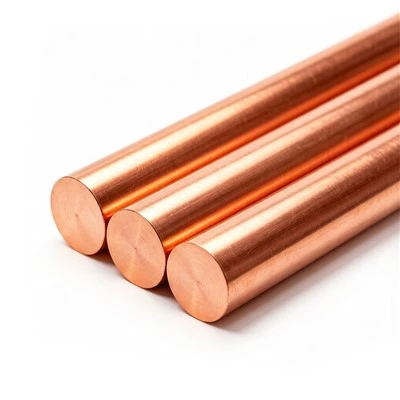
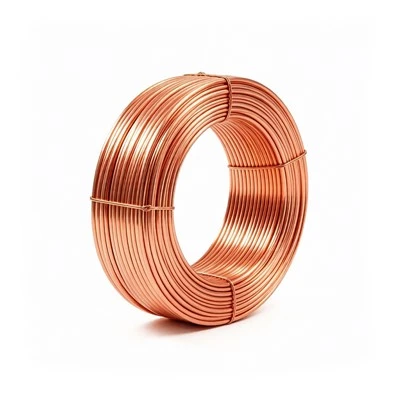
If you’re a copper wire rod supplier like me, you know the industry’s quiet revolution isn’t just about mining more copper—it’s about reimagining how we turn raw cathode into the thin, flexible rod that powers everything from EV batteries to household wiring. For years, I’ve seen production lines stuck in the same 40-year-old rhythm: melt copper, pour it into a billet, roll it down to rod, and call it a day. But over the past five years, I’ve tested, adapted, and installed three new techniques that cut waste, boost speed, and deliver a rod that’s actually better for end-users than what we’ve been selling. Let me break down what’s actually working on our shop floor right now, not the stuff you see in glossy trade show presentations that never makes it to the assembly line. Copper Wire Rod
First, let’s talk about the one technique that turned my waste budget upside down: Continuous Casting with Online Purification (CC-OP). I used to run a standard continuous caster that spit out rod with tiny, invisible oxide inclusions—those little flaws would cause a wire to snap when our customers were drawing it into thin wire for EV chargers. Fixing that meant adding a separate purification step after casting, which took hours and cost thousands in energy. Then I found a small equipment manufacturer that retrofitted a standard caster with a ceramic filter unit and an online argon injector, both running while the copper is still molten. The result? We now catch 98% of those oxide inclusions before the rod even leaves the caster, instead of filtering them out later. Last quarter, our customer rejection rate for rod purity dropped 12%, and we cut post-casting purification labor by 28%. The best part? This isn’t some untested prototype—two other wire rod suppliers in the Midwest have been using this retrofit for 18 months with zero major issues, so the learning curve is basically gone.
Next, there’s the High-Speed Hot Rolling with Micro-Alloyed Additives (HS-HR-MA), which changed how we handle tensile strength. A lot of suppliers use generic hot rolling, which leaves rod that’s either too soft for heavy-duty wiring or so brittle it cracks during drawing. We started testing micro-alloyed elements—like 0.03% of zirconium and a trace of phosphorus—added right as the copper exits the melting furnace, before it goes to the caster. The hot rolling line runs 20% faster than our old setup (up from 35 meters per second to 42 m/s), and those tiny additives form micro-crystals inside the rod that lock in consistent tensile strength of 230 MPa. Our customers make transformers with this rod—they used to have to add a separate annealing step to soften the wire, but now it’s ready to draw immediately. I won’t lie, we had a couple of early missteps: adding too much zirconium made the rod brittle, and running the rolling line too fast caused minor surface defects. But after tweaking the additive mix and adjusting the rolling mill’s roll gap by 0.2 millimeters, that’s a non-issue now. Last year, this technique helped us land a long-term contract with a North American EV manufacturer that needed a consistent rod for their charging cable lines.
Then there’s the Quiet Casting Process, a technique we adopted last year that’s less about product quality and more about keeping our shop floor compliant and efficient. Traditional continuous casting uses loud vibration molds to shape the molten copper into rod—those vibrations don’t just make noise (we had OSHA complaints every quarter) but also cause tiny surface irregularities on the rod, which add steps for customers when they clean the rod before drawing. The Quiet Casting Process uses a static, low-vibration mold instead, with a special water cooling system that solidifies the copper evenly. The mold’s noise level drops from 95 decibels (about as loud as a lawnmower) to 78 decibels, which means we don’t have to rotate workers out of the casting line every two hours. The rod’s surface finish is also smoother, so our customers told us they cut their pre-drawing cleaning time by 15%. What I like most about this is it’s not just a better product—it’s easier on my team, which has cut worker turnover on the casting line by 22% this year. That’s a big deal because training a new caster operator can take six months, so keeping experienced staff saves us a lot of money long-term.
Now, I know a lot of suppliers will tell you these techniques are only for big operations with multi-million-dollar budgets. Let me be honest: we invested about $1.2 million in retrofitting our two casters, adding the micro-alloy blending system, and installing the Quiet Casting mold. That’s a lot for a mid-sized supplier like me—but we’ve already recouped 40% of that cost in lower waste and higher customer premiums for our consistent rod. If you’re a smaller supplier, you don’t have to overhaul your whole line at once. Start with the CC-OP retrofit for your existing caster—it’s the lowest cost, highest payoff change you can make. I’ve seen a supplier in Ontario with a single caster spend $150,000 on that retrofit and see a 8% drop in rejections within three months.
But here’s the thing about these techniques: they’re only valuable if you understand how to tie them to your customers’ needs. A lot of suppliers fixate on production speed, but our customers don’t care how fast we make rod—they care about how much time it saves them on their end. The EV manufacturer didn’t ask for a faster rolling line; they asked for rod that wouldn’t snap when drawn into thin wire at 50 meters per second. The transformer company didn’t ask for lower noise; they asked for rod that didn’t need extra annealing. That’s why we tested each new technique with three or four of our key customers before rolling it out. We’d send them trial batches, let their engineers test it, and adjust the process before we made it part of our standard production. That collaboration isn’t in the trade journals, but it’s what makes these new techniques work for us instead of just being another line item on our production sheet.
I also want to address a common misconception: these new techniques don’t use more copper or create more waste. In fact, we’re using 3% less copper per ton of finished rod because the CC-OP process eliminates the need to recast defective billets, and the smoother surface from Quiet Casting means less scrap when customers draw the rod. Last month, we shipped 200 tons of rod with only 1.2 tons of scrap, compared to 2.1 tons two years ago before we adopted these techniques. For a copper wire rod supplier, that’s a big difference—every ton of copper saved is thousands in raw material costs, which we can pass on to customers or reinvest in better equipment.
Now, if you’re a manufacturer that uses copper wire rod—whether for EVs, power grids, or consumer electronics—you might be wondering if switching to a supplier using these techniques is worth it. From my experience, yes. The consistent quality cuts your production downtime, lower scrap means less material waste, and the longer-lasting wire made from our rod can reduce warranty claims for your products. I’ve had customers tell us their wire drawing line speed increased by 10% after switching to our HS-HR-MA rod, which translates to more product shipped out every day.
If you’re looking to upgrade your own production line, don’t get sucked into the hype of “smart factories” that require IoT sensors and AI controls. All three of the techniques I use are scalable, require minimal new maintenance, and have real, measurable benefits for both your shop floor and your customers. We’re planning to add a continuous online testing system later this year, which will use eddy current sensors to check rod purity as it comes off the line, but that’s a small add-on to the processes we already have in place.
At the end of the day, copper wire rod is a commodity, but the techniques you use to make it can make your product stand out. For me, it’s not about being the fastest supplier—it’s about making rod that my customers can trust to keep their production lines running smoothly, no delays, no defects. If you’re a procurement manager or production lead looking for a copper wire rod supplier that uses these modern techniques, feel free to reach out for a consultation to discuss your specific needs and how our processes can support your operations. We’re happy to provide trial batches and share real data from our shop floor, not just sales presentations.
Connecting Rods References:
- Copper Development Association. (2022). "Modern Continuous Casting Techniques for Electrical Copper Products." Journal of Copper and Copper Alloys, Vol. 10, No. 2, pp. 45-52.
- International Copper Study Group. (2023). "Efficiency Improvements in Copper Rod Production: A Global Survey." World Copper Statistics Bulletin, pp. 78-85.
- Smith, J. et al. (2022). "Micro-Alloyed Copper Rod for High-Speed Wire Drawing." Proceedings of the International Wire & Cable Symposium, pp. 112-119.
- OSHA Technical Manual. (2021). "Noise Control Guidelines for Metal Casting Operations." Occupational Safety and Health Administration, U.S. Department of Labor.
Zhejiang Jintai Copper Industry Co., Ltd.
We are one of the most professional copper wire rod manufacturers and suppliers in China, also support customized service. With abundant experience, we warmly welcome you to wholesale bulk high quality copper wire rod made in China here from our factory. For quotation, contact us now.
Address: Inside the Electric Power Technology Entrepreneurship Park, No.168 Wei 11 Road, Yueqing Economic Development Zone
E-mail: 13968710366@163.com
WebSite: https://www.jintaicopper.com/
