Hey folks, let’s cut to the chase—if you’re running a business, managing a residential complex, or just dealing with a municipal system that relies on sewage pumps, you know how a sudden pump failure can turn into a nightmare. One minute it’s working, the next, it’s backed up toilets, flooded basements, and a mid-panic call to whoever’s supposed to fix it. As a sewage pump supplier, I see this play out way too often, and more times than not, it’s not “bad luck”—it’s something totally preventable. Today, I’m breaking down the most common causes of pump failure that I’ve seen firsthand over the years. Sewage Pump
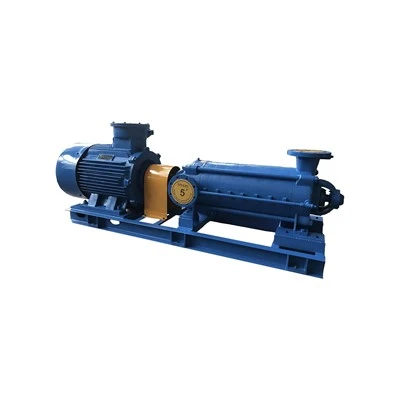
First up: clogs, and I’m not talking about a random wad of paper towels. Let’s be real, a lot of people think sewage pumps are like big trash disposals that can chew through anything, but that’s the farthest from the truth. Most submersible sewage pumps we sell are designed for solid waste that actually gets flushed or goes into the sewer line—think toilet paper, human waste, and maybe a small feminine hygiene product if someone’s being careful. But here’s the thing: way too many folks toss all kinds of random garbage down the drain or toilet. I’ve seen everything from used diapers, plastic bags, food wrappers, even small toys get pumped into the wet well and jam the impeller. The impeller’s that spinning blade part that moves the sewage, right? If it gets wrapped up in plastic or stuck on a hard object, it can’t spin anymore. That puts way too much strain on the motor, and before you know it, the motor burns out. I had a customer last month who ran a small apartment complex—they had three pumps go down in 6 months because tenants kept flushing wet wipes (even the ones labeled “flushable”) down the toilet. Those wipes don’t break down like toilet paper, so they bunch up and clog the impeller every single time. And don’t get me started on grease! Restaurants are the worst for this—cooking oil, butter, grease, all that stuff solidifies in the wet well, builds up on the impeller and the pump casing, and it’s like trying to spin a blade coated in concrete. It doesn’t just stop the pump; it also makes the motor work way harder than it’s supposed to, which cuts its lifespan in half.
Next, we’ve got improper installation. This one’s a huge one, and honestly, it’s one of the most avoidable. A lot of people see a “sewage pump” and think “just drop it in a hole and plug it in,” but it’s not that simple. For starters, if the pump isn’t aligned right with the discharge pipe, it causes friction, wears out the impeller and the seal way faster than it should. I’ve talked to guys who installed a pump without using the proper base plate, so every time it turns on, it’s vibrating against the wall of the wet well. That vibration doesn’t just damage the pump itself—it can crack the pipes, loosen wiring, and even cause structural issues with the wet well over time. Another big installation mistake: not priming the pump correctly. Submersible pumps, the most common type for residential and small commercial use, don’t need priming, but some of the larger horizontal pumps do. If you don’t prime them right, they run dry, which is basically the equivalent of running a car engine without oil. The seal and the impeller will overheat in minutes, and you’re looking at a dead pump before you know it. Also, some folks install the pump too low in the wet well, so it’s sitting in muck and sludge all the time. That muck seeps into the motor housing, gets into the seals, and causes corrosion. I’ve had a customer who did exactly that—his pump was sitting at the bottom of 10 feet of muck, and within a year, the motor was full of sewage, corroded beyond repair.
Third, wear and tear from old age and lack of maintenance. Let’s face it, nothing lasts forever, and sewage pumps work in some of the dirtiest conditions imaginable. Even if you take good care of it, a pump that’s 10+ years old is way more likely to fail than a 3-year-old one. But here’s the kicker: most failures aren’t just from age—they’re from skipping basic maintenance. A lot of people install a pump and forget about it until it stops working. But pumps need regular checkups, simple stuff like clearing debris from the intake, checking the impeller for clogs before they get bad, and testing the float switch (that’s what turns the pump on and off when the water level rises and falls) to make sure it’s working right. The float switch is super important—if it gets stuck, the pump will run 24/7, which burns out the motor in no time, or it won’t turn on at all, which leads to overflow. I had a commercial client who had a 5-year-old pump, and they never once checked the float switch. It got tangled in a bunch of rags in the wet well, so it never triggered the pump when the water level went up. The sewage backed up into their kitchen, and they had to shut down for 3 days to fix everything. Maintenance doesn’t have to be hard, either—just a quick check every 3 months, a cleanout of the wet well once a year, and you can add years to your pump’s life.
Then there’s corrosion and electrical issues. Sewage is a super corrosive mix of stuff, right? Waste, chemicals, bacteria, all that can eat away at the pump parts if they’re not made of the right material. A lot of cheap pumps out there use cast iron for the housing, which works okay for mild conditions, but if you’re pumping industrial sewage or wastewater with a lot of harsh chemicals, that cast iron will rust and corrode from the inside out. I’ve seen pumps that had holes in the casing because of corrosion, so sewage was leaking into the motor, and boom—dead pump. Electrical issues are another big one. Wiring gets wet, gets exposed to sewage, the connections corrode, or you have power surges that fry the motor. A lot of people skip using a ground fault circuit interrupter (GFCI) for their pump, which is a must for any pump near water. GFCIs shut off power if there’s a fault, which prevents electrical shocks and also protects the motor from burning out. I can’t tell you how many times I’ve had someone bring a burnt-out pump to me, and when we check, the wiring was exposed and sitting in a puddle of sewage. Simple fix—use a GFCI, keep wiring sealed, and don’t skimp on quality parts for the electrical side.
Wait, let’s not forget about overloading. Some people buy a pump that’s too small for their needs, right? Like, if you’re a restaurant with 10 toilets, a pump rated for a single residential bathroom isn’t going to cut it. It will run nonstop to try to keep up, overheat, and burn out the motor way faster than it should. That’s why sizing the pump correctly is so important—you can’t just go by the lowest price tag. As a supplier, I always tell people to give me the details of their space, how much waste they’re dealing with, the size of their wet well, and I’ll help them pick the right pump. I’ve had guys come in with a cheap small pump that died in 6 months, and they ended up having to buy a bigger, more reliable one anyway—wasting their money twice. It’s way better to get the right pump from the start than to deal with constant failures.

So, what’s the takeaway here? Most sewage pump failures aren’t random—they’re from avoidable mistakes: flushing the wrong stuff, bad installation, skipping maintenance, cheap parts, or buying the wrong size. I’ve been in this business for over a decade, and I’ve seen every scenario, but the best part is that almost all of them can be fixed before they turn into a disaster. If you’re dealing with a failing pump, or you’re looking to install a new one, don’t guess and don’t go for the cheapest option out there. We’re here to help you pick the right pump, make sure it’s installed correctly, and even give you tips on maintenance to keep it running for years. Don’t wait until your basement is flooded or your business is shut down—reach out, and let’s work out a solution that works for you.
Water Supply Equipment References:
- Water Environment Federation. (2021). Sewer Pump Station Operation and Maintenance Guidelines.
- National Association of Wastewater Transporters. (2020). Common Causes of Sewage Pump Failure and Prevention Strategies.
- Pump Industry Alliance. (2019). Submersible Sewage Pump Installation and Best Practices.
- CDC. (2022). Preventing Backups and Pump Failures in Residential and Commercial Sewer Systems.
Zhejiang Kaicheng Pump Valve Co., Ltd.
Zhejiang Kaicheng Pump Valve Co., Ltd. is one of the most professional sewage pump manufacturers and suppliers in China, also supports customized service. We warmly welcome you to buy advanced sewage pump made in China here and get quotation from our factory. For price consultation, contact us.
Address: No.501 Zhangbao North Road, Dong ou Industrial Park, Oubei town, Yongjia, Zhejiang Province, China
E-mail: sales@cnkcmp.com
WebSite: https://www.kcmpumps.com/
