As a supplier of empty tea bags, I’ve often been asked whether these seemingly unassuming items are good for the environment. It’s a question that strikes at the heart of our business and the growing global concern for sustainability. In this blog, I’ll delve into the environmental aspects of empty tea bags, exploring both their positive and negative impacts based on scientific research and real – world applications. Empty Tea Bags
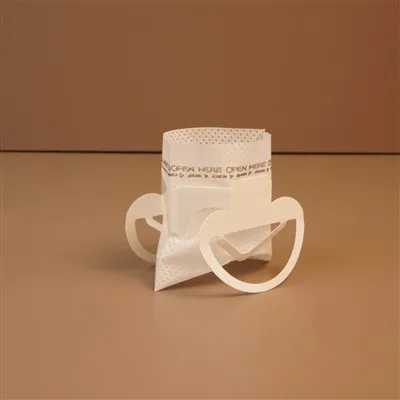
The Positive Environmental Aspects of Empty Tea Bags
Biodegradability
One of the most significant environmental benefits of empty tea bags is their potential for biodegradability. Many tea bags are made from natural materials such as paper, silk, or cotton. Paper tea bags, for example, are typically derived from wood pulp, which is a renewable resource. When these tea bags are disposed of in a composting environment, they break down over time.
According to a study by the Environmental Protection Agency (EPA), paper can fully decompose within 2 – 6 weeks in a well – managed compost pile. This means that if consumers choose to compost their used tea bags, they can contribute to the creation of nutrient – rich soil. The decomposed tea bags add organic matter to the soil, improving its structure and fertility. This, in turn, can reduce the need for chemical fertilizers in gardening and agriculture.
Silk and cotton tea bags are also biodegradable. Silk is a natural protein fiber produced by silkworms, and cotton is a plant – based fiber. These materials return to the earth relatively quickly and do not leave behind harmful residues. They are a much more sustainable alternative to synthetic materials, which can take hundreds of years to break down.
Reduced Packaging Waste
Empty tea bags can also help in reducing overall packaging waste. When tea is sold in loose form, it often requires additional packaging such as plastic bags or tins. These materials can be difficult to recycle and may end up in landfills. By using tea bags, tea manufacturers can reduce the amount of packaging needed.
For instance, a single tea bag can hold a specific amount of tea, eliminating the need for multiple small plastic or paper sachets. This not only reduces the volume of waste but also simplifies the recycling process. Tea bags are generally easier to handle and separate from other waste compared to complex multi – layer packaging.
Encouraging Sustainable Tea Consumption
Empty tea bags can play a role in promoting sustainable tea consumption. They allow consumers to use loose – leaf tea, which is often of higher quality and more environmentally friendly than tea sold in pre – made tea bags. Loose – leaf tea is usually sourced directly from tea plantations with fewer processing steps, reducing the carbon footprint associated with its production.
When consumers use empty tea bags to brew their own tea, they have more control over the amount of tea they use, reducing waste. They can also experiment with different blends and types of tea, which may lead to a more diverse and sustainable tea market.
The Negative Environmental Aspects of Empty Tea Bags
Non – Biodegradable Components
Not all empty tea bags are created equal. Some tea bags contain non – biodegradable components such as plastic or nylon. These materials are used to provide strength and durability to the tea bags, but they can have a significant negative impact on the environment.
Plastic tea bags can take hundreds of years to decompose in landfills. When they break down, they release microplastics into the environment, which can be ingested by wildlife and enter the food chain. A study published in the journal Environmental Science & Technology found that a single plastic tea bag can release billions of microplastics into the tea when brewed.
Energy and Water Consumption in Production
The production of empty tea bags also consumes energy and water. The process of manufacturing paper tea bags involves pulping wood, which requires large amounts of water and energy. Additionally, the printing and packaging of tea bags further increase the energy consumption.
In some cases, the energy and water used in the production of tea bags may outweigh the environmental benefits of their biodegradability. To address this issue, tea bag manufacturers need to invest in more sustainable production methods, such as using renewable energy sources and reducing water waste.
Over – Consumption and Waste
Another potential negative aspect is the over – consumption of tea bags. Some consumers may use tea bags without considering the environmental impact. For example, they may discard tea bags after a single use, even if the tea still has flavor. This leads to unnecessary waste.
In addition, the widespread use of disposable tea bags has contributed to a culture of single – use products. This can be difficult to reverse, as consumers have become accustomed to the convenience of disposable items.
Strategies to Minimize the Negative Impact
Use of Biodegradable Materials
As a supplier of empty tea bags, we are committed to using only biodegradable materials. We source our paper from sustainably managed forests and ensure that our tea bags are free from plastic and other non – biodegradable components. By doing so, we can help reduce the environmental impact of our products.
Promote Reuse and Recycling
We also encourage our customers to reuse and recycle our tea bags. Tea bags can be reused multiple times to brew tea, especially if the tea is of high quality. After use, they can be composted or recycled. We provide information on how to properly compost and recycle tea bags to our customers.
Sustainable Production Practices
In our production process, we strive to minimize energy and water consumption. We use renewable energy sources such as solar and wind power in our factories. We also implement water – saving measures, such as recycling water used in the production process.
Conclusion
In conclusion, empty tea bags can be good for the environment if they are made from biodegradable materials and used in a sustainable way. They offer several environmental benefits, including biodegradability, reduced packaging waste, and the promotion of sustainable tea consumption. However, there are also some negative aspects, such as the presence of non – biodegradable components, energy and water consumption in production, and over – consumption.
As a supplier of empty tea bags, we are aware of these issues and are taking steps to minimize the negative impact of our products. We believe that by working together with our customers, we can make a positive contribution to the environment.

If you are interested in purchasing our high – quality, environmentally friendly empty tea bags, please feel free to contact us for a detailed discussion on your specific needs. We look forward to the opportunity to work with you and contribute to a more sustainable future.
Empty Coffee Drip Bag References
- Environmental Protection Agency. (Year). Composting at Home.
- Environmental Science & Technology. (Year). Release of Microplastics from Plastic Tea Bags.
Hangzhou Wish Import & Export Trading Co., Ltd.
As one of the most professional empty tea bags manufacturers and suppliers in China, we also support customized service. Please feel free to buy cheap empty tea bags made in China here from our factory. For price consultation, contact us.
Address: Room 418, Yilong Business Building, Shangcheng District, Hangzhou City, Zhejiang Province
E-mail: chris@hzwishpack.com
WebSite: https://www.wish-ecopacky.com/
