If you’ve ever watched a chef on a food show caramelize a crème brûlée, sear the edges of a perfect sushi handroll, or even char the outer layer of a citrus peel to amp up a cocktail’s aroma, you’ve probably wondered if that little torch they’re wielding is the same kind of butane gas torch you see online for sale. As someone who runs a butane gas torch supply business, I get this question all the time—usually from home bakers who don’t want to drop $200 on a fancy culinary torch, or small café owners testing cheaper alternatives to restaurant-grade gear. The short answer? Yes, a butane gas torch can be used for food torching—but there’s a lot more nuance to it than just grabbing any random torch off a shelf and lighting it next to a dessert plate. Let’s break this down, from the science of combustion to the dos and don’ts that’ll keep your food safe and your torch working right. Butane Gas Torch

First, let’s talk about why torching works for food in the first place. When you apply high, controlled heat to food, two main reactions happen: Maillard browning and caramelization. Maillard browning is what gives seared steak its rich, nutty crust and crème brûlée its crackly, deep golden top—this is a chemical reaction between amino acids and reducing sugars that only happens at temperatures above 300°F, which is way hotter than boiling water. Caramelization is when sugars break down into new, aromatic compounds, which is exactly what you want when you’re melting sugar on a crème brûlée or charring pineapple for a grilled dessert. A good torch delivers that heat fast, evenly, and focused, which is way more efficient than an oven broiler (which can burn the outside before the inside is cooked through) or a stovetop burner (which is hard to control for small, delicate items like meringue).
But not all torches are built the same, and that’s where the confusion comes in. If you’ve ever bought a cheap butane torch from a dollar store or a hardware store’s camping aisle, you know what I’m talking about: it’s often wobbly, the flame sputters, and you can barely adjust the heat enough to melt a marshmallow, let alone brown a crème brûlée. The difference between a “regular” butane torch and a culinary-grade one (and even the cheap ones that work for food) boils down to three things: fuel purity, heat output, and safety features.
Let’s start with fuel. This is the biggest point of contention for most people. Butane is a hydrocarbon, which means when it burns, it produces carbon dioxide and water vapor—both of which are totally harmless, right? But here’s the catch: low-quality butane fuel often has impurities in it, like sulfur, benzene, or other volatile organic compounds (VOCs). When these impurities burn, they can leave a weird, acrid smell or a bitter taste on your food. I’ve had a customer come to me last year who used a $10 camping torch to char scallops for a private dinner, and half the table complained they tasted like “burnt plastic.” That’s not the scallops’ fault—it’s the cheap butane he used. Culinary-grade butane is filtered to remove those impurities, so it burns clean, with no off-taste or smell. As a supplier, I always recommend that customers use only food-safe butane for food torching, and I make sure the torches I sell are compatible with that fuel.
Next up is heat output. For food torching, you need consistent, adjustable heat—usually between 2,000 and 3,000 degrees Fahrenheit for most culinary tasks. A tiny camping torch that puts out 1,000 BTUs won’t cut it for a crème brûlée, but a heavy-duty residential torch that cranks out 10,000 BTUs might be too hot for delicate stuff like meringue. Too much heat, too fast, and you’ll end up with a burnt, blackened crust on your crème brûlée before the sugar is fully melted. Good culinary butane torches have adjustable flame controls that let you dial it down for melting cheese on a sandwich or crank it up for searing the outside of a sous vide steak. Most of the torches I supply have a heat range that hits the sweet spot for all common food torching tasks, from crème brûlée to torching herbs to release their oils.
Then there’s safety. I know what you’re thinking: “Torches are fire, how safe can they be?” Well, cheap torches often have flimsy handles, no flame lock, or a fuel tank that’s not designed to be held close to food. That’s a problem if you’re trying to torch a dessert on a plate and the torch slips or the flame blows back. Food-grade torches are built with heat-resistant handles, child safety locks (for home users), and fuel tanks that are rated for high heat. Also, they’re designed so the tip of the torch stays cool enough that you don’t have to worry about it melting or catching the edge of your plate on fire.
Now, let’s talk about the myths I hear all the time, because that’s half the battle when it comes to using a butane torch for food. First myth: “You can’t use a butane torch for searing meat.” Wait, yes you can—so long as the torch has enough heat output. I’ve got a regular customer who runs a small, farm-to-table café, and he uses one of my medium-heat butane torches to sear duck breast and even thick cuts of ribeye before finishing them in the oven. It gives a perfect, crispy crust without overcooking the interior, and it’s way faster than heating up a grill or a cast-iron skillet. The key here is to keep the torch moving—don’t hold it in one spot for more than a second or two, or you’ll burn the meat.
Second myth: “Butane fumes are toxic, so they’ll get into your food.” Let’s clarify this: when a torch is working properly, burning food-grade butane doesn’t produce any toxic fumes. The fumes from a burning butane torch are just carbon dioxide and water, same as the fumes from a gas stove or a campfire. The only time you’ll get toxic fumes is if the torch is malfunctioning—like if there’s a fuel leak, or the butane is burning incompletely because the air intake is clogged. That’s why it’s super important to use a well-maintained torch and food-safe fuel. I always tell my customers to check their torch’s air vents regularly and use only high-quality butane, not the cheap stuff from gas stations that’s often poorly filtered.
Third myth: “You have to spend a ton of money on a culinary torch.” That’s not true at all. You can get a perfectly good butane food torch for under $50, which is way cheaper than even a basic oven broiler upgrade. A lot of home bakers are surprised when I tell them they don’t need to buy a $200 professional chef torch. The key is to look for specific features: adjustable flame, filtered fuel, heat-resistant handle, and a safety lock. I’ve got a line of entry-level butane torches that are designed specifically for home use, and they work great for crème brûlée, meringues, even charring vegetables.
Now, let’s get into how to actually use a butane torch for food correctly, because even a good torch won’t work if you use it wrong. First, always work in a well-ventilated area. This is basic fire safety, but it’s extra important when you’re dealing with open flames and food—you don’t want fumes building up in a small kitchen. Second, keep the torch moving. Don’t hold it in one place, especially when you’re torching sugar or meat. Moving it evenly will give you a consistent, even burn without burnt spots. Third, keep the flame about 2 to 3 inches away from the food. If you hold it too close, you’ll burn the outside; too far, and you won’t get enough heat to trigger Maillard browning or caramelization. Fourth, always let the torch cool down completely before refueling. I can’t tell you how many times I’ve had a customer come to me saying their torch stopped working because they refueled it right after using it—heat expands, so if you add cold butane to a hot tank, it can cause a leak.
I also get questions about cleaning the torch. Food residue can build up on the tip over time, which can clog the air intake or make the flame sputter. The good news is that it’s super easy to clean. Once the torch is completely cool, use a soft brush (like an old toothbrush) to gently scrub the tip, or even a cotton swab dipped in rubbing alcohol to get rid of any sticky residue. Don’t use harsh chemicals, and never use a metal tool to pick at the tip—you can damage the nozzle and make the flame uneven.
What about edge cases? Let’s say you want to torch a whole pineapple for a dessert, or even toast marshmallows for s’mores. Can you use a butane torch for that? Absolutely. Just make sure you keep the flame moving, and don’t hold it too close to the fruit’s skin (especially if it’s coated in sugar). For s’mores, a good butane torch will toast the marshmallow evenly, giving you that golden, fluffy outside without the acrid taste of a campfire (if you use filtered butane, that is). Another common use is torching citrus peels for cocktails—hold the peel over the drink, squeeze it gently so the oils spray onto the surface, then torch the peel lightly to release the aroma. It’s a trick that bartenders use all the time, and it works perfectly with a butane torch.
Now, let’s talk about when a butane torch might not be the best choice. If you’re searing large cuts of meat that need to be browned all over, a butane torch might take longer than a cast-iron skillet or a grill. For that, a professional restaurant-grade torch with a higher BTU output is better. Also, if you’re working with very delicate items like macarons, you might want to use a smaller, lower-heat torch to avoid melting the cookie shells. But for 90% of home and small food business uses, a good butane torch is more than enough.
As someone who’s been supplying butane torches for years, I’ve seen firsthand how these tools can elevate home cooking and small food businesses without breaking the bank. A lot of people think you need fancy, expensive gear to make restaurant-quality food, but a good butane torch is one of the most versatile, affordable tools you can have in your kitchen. The key is to pick the right torch for your needs, use food-safe butane, and follow basic safety rules.
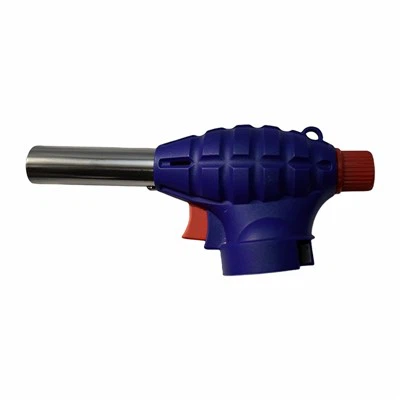
If you’re looking for a butane food torch, I can help. We carry a range of torches for every use—from entry-level models for home bakers to heavy-duty ones for small café owners. All our torches are built with clean-burning fuel compatibility, adjustable flames, and safety features, so you can use them for food without worrying about off-tastes or safety issues. Whether you’re just starting out with crème brûlée or you’re a seasoned chef looking to add a new tool to your lineup, we’ve got you covered. Reach out to us to talk about what torch is right for your needs, and we can help you find the perfect fit for your budget and cooking style.
Gas Torch References:
- McGee, H. (2004). On Food and Cooking: The Science and Lore of the Kitchen. Scribner.
- Food and Drug Administration. (2021). Food Safety Tips for Kitchen Torches and Cooking with Open Flames. U.S. Department of Health and Human Services.
- Butane Gas Association of North America. (2022). Safety and Quality Standards for Butane Fuel Used in Kitchen Appliances.
- The Culinary Institute of America. (2019). Kitchen Essentials: Tools and Techniques for Home Cooks. John Wiley & Sons.
Yuhuan Shunshida Intelligent Electromechanical Co., Ltd.
As one of the most professional bayonet spray gun manufacturers and suppliers in China, we’re featured by quality products and good service. Please rest assured to buy durable bayonet spray gun at low price from our factory. We also accept customized orders.
Address: No. 186 East Nanxing Road, Chumen Town, Yuhuan City, Zhejiang Province
E-mail: yuhuanshunshida@gmail.com
WebSite: https://www.cmssdgastorch.com/
